
There is nothing quite like a brand-new leather jacket, but the first few wears can feel a little stiff. The shoulders feel firm, the elbows resist bending, and the collar stands up more than you would like. That is completely normal. Quality leather is dense, and it needs time and movement to mold to your body.
The good news is that breaking in a leather jacket is simple, and the safest method is also the most enjoyable one: wearing it. This guide covers what actually works, how long it takes, and which popular shortcuts you should avoid.
Why New Leather Jackets Feel Stiff
How stiff a jacket feels depends mostly on the hide and its finish.
- Cowhide is thick and tough, so it takes the longest to soften, but it also lasts the longest.
- Lambskin and sheepskin are thinner and naturally supple, so they feel comfortable almost immediately.
- Goatskin sits in between: durable with a pebbled texture that relaxes fairly quickly.
- Heavier finishes and linings add structure, which can make a jacket feel firmer at first.
If you want a deeper look at these differences, read our comparison of cowhide vs lambskin leather jackets.
Before You Start: Make Sure It Fits
Breaking in softens leather, but it will not fix a poor fit. A jacket that feels tight across the shoulders or chest on day one will not grow a full size. Leather relaxes a little, especially at the elbows and around the torso, but not dramatically. Check our leather jacket fit guide to confirm the size is right before you commit to the break-in process.
7 Safe Ways to Break In a Leather Jacket

1. Wear It as Often as You Can
This is the method that works best. Your body heat gently warms the leather while your everyday movements flex it at the shoulders, elbows, and waist. Over time the jacket takes on your shape, with creases forming exactly where you bend. Wear it around the house, on errands, and on your commute.
2. Move in It on Purpose
Speed things up by deliberately moving while you wear it. Reach forward as if holding handlebars, cross your arms, roll your shoulders, and bend your elbows repeatedly. Ten minutes of this while watching TV makes a noticeable difference to stiff sleeves.
3. Roll and Flex Stiff Areas by Hand
Gently roll the sleeves, flex the collar, and work the hem between your hands. Focus on the areas that feel tightest. Be gentle and avoid folding sharply along one line, since hard creases can become permanent.
4. Condition Lightly
A good leather conditioner adds moisture and helps fibers relax. Apply a thin layer with a soft cloth, let it absorb, then buff away the excess. Test on a hidden area first, as some conditioners can darken leather slightly. One light application is enough; heavy conditioning can make leather feel greasy or soft in the wrong way.
5. Layer Thoughtfully
Wearing a slightly thicker sweater underneath for a few sessions can gently encourage the jacket to relax through the chest and arms. Keep it comfortable. If you feel strain on the seams, the layer is too thick.
6. Hang It Properly Between Wears
Store your jacket on a wide, padded hanger that supports the shoulders. Wire hangers create dents and can distort the shape while the leather is still settling. Keep it in a cool, dry place rather than folded in a drawer.
7. Be Patient
Most jackets feel noticeably softer after a few weeks of regular wear, while heavy cowhide may take a few months to feel fully broken in. That gradual process is also what creates the personal character and patina that make an old leather jacket so special.
Break-In Hacks to Avoid
The internet is full of shortcuts. Most of them risk damaging your jacket.
- Soaking it in water or wearing it wet until it dries. This can cause shrinkage, stiffness, and water marks, and it strips natural oils.
- Putting it in the dryer or using a hair dryer. Direct heat dries leather out and can lead to cracking.
- Using household oils like olive or coconut oil. They can turn rancid, darken leather unevenly, and attract dirt.
- Beating or twisting it aggressively. This can stress stitching and create permanent creases.
- Over-conditioning. Too much product clogs the leather and can leave it sticky.
Breaking In Suede and Shearling
Suede is soft from day one and rarely needs breaking in. Simply wear it and brush it regularly to keep the nap even. Skip conditioners made for smooth leather, which can mat the surface. Learn more in our suede vs leather jacket guide.
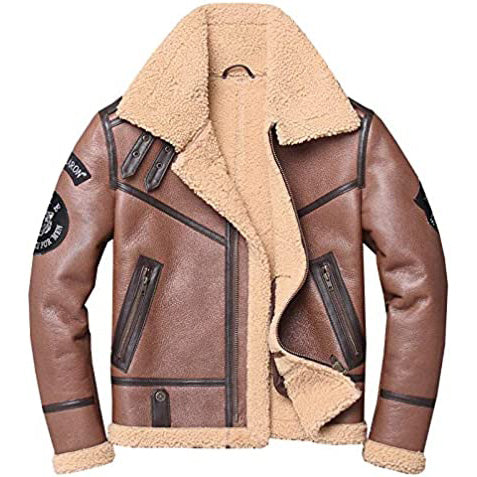
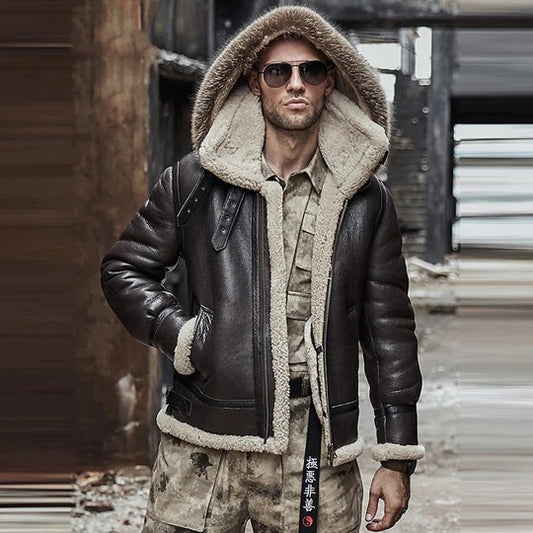
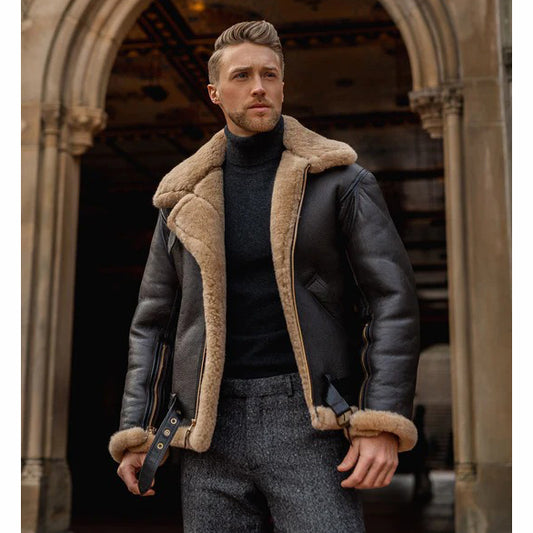
Shearling jackets can feel bulky at first because of their thick wool lining. Regular wear flattens and relaxes the lining and softens the outer hide at the same time.
How Different Jacket Styles Break In

Biker and cafe racer jackets are fitted, so the elbows and shoulders do most of the work. Riding in the jacket is one of the fastest ways to break it in. See our men's leather biker jackets.
Bomber jackets have a roomier body and ribbed cuffs, so they usually feel comfortable sooner. Browse men's leather bomber jackets or the black leather letterman bomber.
Leather vests have no sleeves to soften, so they settle in quickly. The cowhide motorcycle vest with diamond stitching is a good example.
Women's styles follow the same rules. If you are choosing between cuts, our guide to women's leather jacket styles explains how each one fits.
Aftercare Once It Is Broken In
Once your jacket feels just right, basic care keeps it that way. Wipe off dust regularly, let it dry naturally if it gets wet, and condition it a couple of times a year. Our guide on how to clean a leather jacket at home covers every step.
Frequently Asked Questions
How long does it take to break in a leather jacket?
Softer hides like lambskin feel comfortable almost right away. Most jackets soften noticeably within a few weeks of regular wear, while thick cowhide can take a few months.
Will my leather jacket stretch as I break it in?
Slightly. Leather relaxes and molds to your body, especially at the elbows and torso, but it will not gain a full size.
Is it safe to wet a leather jacket to break it in?
It is not recommended. Soaking leather can cause shrinkage, stiffness, and water stains, and it strips the natural oils that keep leather supple.
Does conditioner help soften a leather jacket?
Yes, a light application of a quality leather conditioner helps. Test it on a hidden spot first and avoid applying too much.
The Best Jackets Get Better With Time
A little stiffness in a new leather jacket is a sign of quality hide, not a problem. Wear it often, move in it, condition it lightly, and let time do the rest. In a few weeks it will feel like it was made for you. To understand why quality hides age so well, read our guide to full grain leather.