
What Is Full Grain Leather? A Complete Guide
Full grain leather is hide that keeps its outermost layer completely intact, with none of the surface sanded, buffed, or corrected away. That surface holds the hide's natural grain, including its pores, fiber structure, and small markings, which is exactly why full grain leather is considered the strongest, most durable, and longest lasting type of leather you can buy.
If you have seen the term on a product listing and wondered whether it is just marketing language or something that actually matters, it matters a great deal. This guide breaks down what full grain leather really is, how it compares to other leather grades, and what to look for so you know you are getting the real thing.
What Is Full Grain Leather, Exactly?
Leather comes from the hide of an animal, most commonly cattle, goats, or sheep. That hide is made up of layers, and the top layer, called the grain, is the densest and strongest part because it contains the tightest fiber structure. Full grain leather uses this top layer without sanding, buffing, or otherwise removing any of the surface.
Because nothing is removed, full grain leather keeps every natural characteristic of the original hide: the pores, the fine grain pattern, and small marks like insect bites, healed scars, or stretch marks. These are not defects. They are proof that the material is genuine, unaltered leather rather than a corrected or reconstituted product.
How Full Grain Leather Is Made
The process starts with a raw animal hide, which goes through tanning to convert it into stable, usable leather. Full grain leather typically uses vegetable tanning or chrome tanning, both of which stabilize the hide's fibers and prepare it for dyeing and finishing. Unlike lower grades of leather, the surface is left as close to its natural state as possible once tanning is complete.
Why the Top Layer Is Never Sanded
Sanding or buffing a hide removes surface blemishes, but it also removes the tightest, most durable fibers along with them. Full grain leather skips this step entirely, which is exactly why it holds up so much better over years of wear compared to leather that has had its surface corrected or embossed with an artificial grain pattern.
Full Grain vs Top Grain vs Genuine vs Bonded Leather
Leather grading confuses a lot of shoppers because terms like "genuine leather" sound like a mark of quality when they are actually one of the lower grades. Here is how the four main types compare.
| Leather Type | Surface Treatment | Durability | Typical Use |
|---|---|---|---|
| Full grain | None, natural surface kept intact | Highest, improves with age | Premium jackets, boots, saddlery |
| Top grain | Lightly sanded and refinished | High, more uniform look | Mid to high end jackets and bags |
| Genuine leather | Heavily sanded, often embossed | Moderate | Budget jackets, accessories |
| Bonded leather | Scraps bonded with adhesive | Low, wears out quickly | Low cost furniture, some accessories |
A more detailed breakdown of how each grade is produced and where the lines fall is covered in our guide to the five grades of leather. If you have ever wondered why "genuine leather" is not actually the premium label it sounds like, our piece on what genuine leather really means explains the naming confusion in more depth.
What Makes Full Grain Leather So Durable
Durability comes down to fiber density. The top layer of a hide has the tightest, most tangled collagen fiber structure of any layer, which is what gives leather its strength and resistance to tearing. Because full grain leather keeps that layer completely intact, it resists abrasion, punctures, and general wear far better than leather that has had its surface sanded away.
This is part of why full grain leather jackets, belts, and boots are often described as items you buy once and keep for decades rather than replace every few years. The material is simply built to take more punishment before it shows real wear.
The Natural Markings: Why Imperfections Are a Feature
Full grain leather often has small natural markings: subtle wrinkles, faint scars, insect bites, or slight variations in texture across the hide. These come from the animal's actual life and skin, and no two hides look exactly alike.
Rather than being a flaw, these markings are one of the clearest signs you are looking at genuine, unaltered leather. A perfectly uniform, blemish-free surface with no texture variation at all is usually a sign the leather has been corrected, embossed, or is not full grain to begin with.
Full Grain Leather and Patina
One of the most prized qualities of full grain leather is how it changes over time. As it is exposed to light, oils from your skin, and everyday handling, full grain leather develops a patina: a gradual darkening and softening of the surface that gives the material more depth and character the longer you use it.
This aging process is unique to full grain leather because the natural fiber structure is still intact and able to react to its environment. Leather that has been heavily sanded or coated with a plastic-like finish will not develop the same rich patina, since the natural surface is no longer exposed. Our guide on how leather patina develops goes deeper into what drives this process and how to encourage an even patina on a jacket.
Common Full Grain Leather Types Used in Jackets
Full grain leather is not one single material. It comes from different animals, each with its own texture, weight, and character.
- Cowhide: The most common choice for full grain leather jackets, valued for its thickness, strength, and rugged texture. Browse our full grain cowhide jacket collection for classic, heavy duty options.
- Goatskin: Lighter and softer than cowhide, with a naturally pebbled grain, often used in flight jackets and biker styles. See our goatskin leather jacket collection.
- Horsehide: Denser and stiffer when new, prized by heritage and vintage-style jacket fans for how tough and long lasting it is. Our horsehide leather jacket collection covers this option.
- Lambskin: Softer and more lightweight, though generally used for fashion-forward jackets rather than heavy duty full grain pieces.
Each type takes tanning and finishing slightly differently, but as long as the top layer is left unaltered, all of them can be classified as full grain.
How to Identify Genuine Full Grain Leather When Shopping
Full grain leather is sometimes claimed by products that do not actually meet the standard, so it helps to know what to check before buying.
- Look for natural texture variation. Genuine full grain leather rarely looks perfectly uniform across the whole surface. Slight grain variation is a good sign, not a defect.
- Check the product description for tanning and grading details. A retailer confident in the material will usually specify full grain rather than the vaguer "genuine leather" or "real leather."
- Press the surface gently. Full grain leather often has a slightly firmer, denser feel compared to sanded or corrected leather, especially in heavier hides like cowhide.
- Ask about the finish. A thick, glossy, plastic-like coating usually signals corrected or heavily finished leather rather than full grain.
Full Grain Leather Care and Maintenance
Full grain leather rewards proper care with decades of use. A leather conditioner applied every few months keeps the fibers supple and helps prevent cracking, particularly in dry climates. Avoid prolonged direct sunlight or heat sources, which can dry the material out faster than normal wear would.
If a jacket feels stiff when new, that is normal for full grain leather and will ease with wear. Our guide on how to soften a leather jacket walks through safe methods for speeding up the break-in process without damaging the material.
Is Full Grain Leather Worth the Price?
Full grain leather generally costs more than top grain, genuine, or bonded leather, and that price reflects the raw material itself. Full grain requires higher quality hides with fewer blemishes to begin with, since there is no sanding step to hide imperfections later. It also takes more careful handling throughout tanning and cutting.
For most buyers, the higher upfront cost pays off in longevity. A full grain leather jacket that lasts fifteen or twenty years with proper care often works out cheaper per year of wear than replacing a lower grade jacket every few seasons. Our breakdown of what actually drives leather jacket pricing covers this trade-off in more detail.
Full Grain Leather vs Faux Leather
Faux leather, sometimes called vegan or synthetic leather, is made from plastic-based materials engineered to imitate the look of real leather. It costs less and requires no animal hide, but it does not develop patina, generally has a shorter lifespan, and lacks the breathability and natural feel of genuine full grain leather.
For buyers weighing genuine leather against synthetic alternatives, our comparison of faux leather versus real leather lays out the trade-offs in cost, durability, and appearance side by side.
Expert Perspective: What to Consider Before You Buy
When a listing says "full grain," check whether it also names the animal source and tanning method. Reputable full grain leather goods are usually specific about both, since the grade alone does not tell you everything about how the hide was processed. A jacket described simply as "full grain leather" with no further detail is not necessarily lower quality, but a listing that offers cowhide, goatskin, or horsehide by name alongside the grade generally reflects a brand that understands and stands behind its materials.
Where to Buy Full Grain Leather Jackets
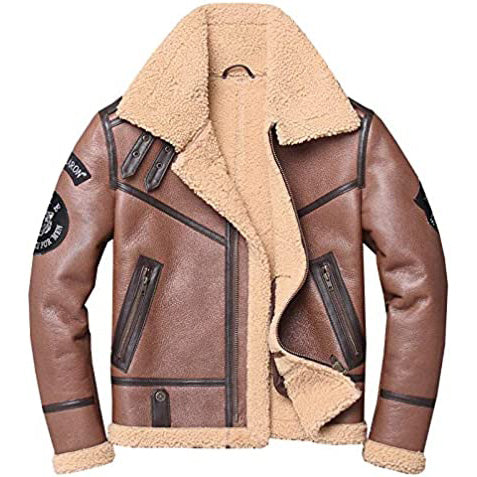
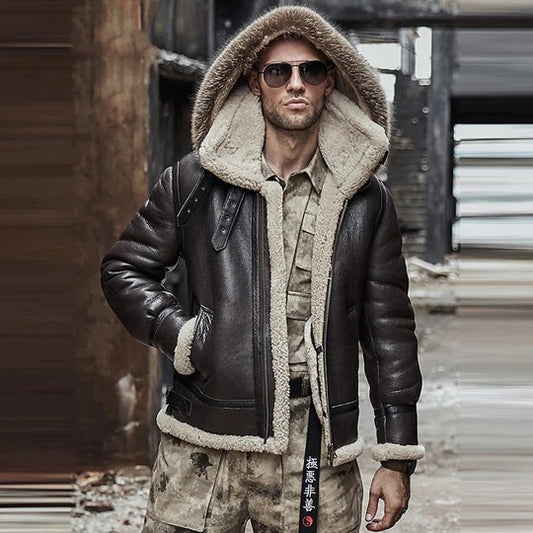
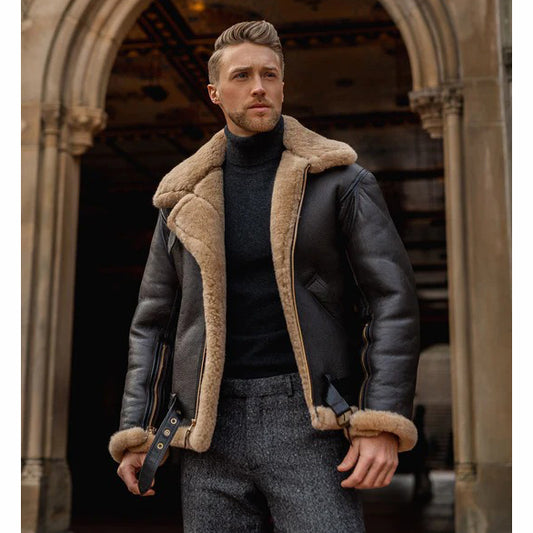
If you are ready to invest in a full grain leather jacket, buying from a source that specifies both the grade and the hide type matters more than the price alone. Jackets Kingdom's genuine leather bomber jacket collection uses full grain cowhide and goatskin construction, so the material is clearly identified rather than left vague.
A few standout options include the cowhide leather bomber jacket, built from full grain cowhide with a classic silhouette, the iconic cowhide leather biker jacket for a heavier, motorcycle-ready build, and the genuine leather aviator bomber jacket for a lighter, flight-inspired take on full grain construction.
Full Grain Leather Beyond Jackets
While jackets are one of the most popular applications, full grain leather is used wherever long-term durability matters more than a low price point. Work boots, belts, saddlery, briefcases, and high-end furniture all rely on full grain construction for the same reason: the material holds up to years of friction, flexing, and handling without breaking down.
The common thread across all of these products is exposure to repeated stress. A belt bends every time it is worn, a boot flexes with every step, and a jacket stretches across the shoulders and elbows constantly. Full grain leather's intact fiber structure is what allows it to absorb that repeated stress without cracking or tearing the way a sanded or bonded leather eventually would.
Full Grain Leather and Distressed or Vintage Finishes
Full grain leather is also the base material for most distressed and vintage-style jackets, since the natural surface takes dye, waxing, and hand-finishing techniques more authentically than a corrected or heavily coated leather would. A distressed full grain jacket develops its worn-in look through genuine surface treatment rather than a printed texture, which is part of why distressed leather pieces from quality full grain hides tend to age more gracefully than budget alternatives. Our guide on what distressed leather actually is explains how this finishing process works and what separates a genuinely distressed full grain jacket from one with a printed-on worn look.
Frequently Asked Questions
No. Full grain is the highest leather grade with the surface left completely intact, while genuine leather is actually a lower grade that has been heavily sanded and often embossed with an artificial grain pattern.
Full grain leather can show light surface marks, but because the fiber structure is intact, many scratches soften or blend in as the leather develops patina over time, rather than becoming permanent damage.
With proper conditioning and care, full grain leather jackets and goods commonly last fifteen to twenty years or longer, and many develop a richer look the longer they are used.
Because nothing has been sanded away, full grain leather retains its full fiber density, which makes it feel firmer out of the box. It softens naturally with wear and conditioning over the first several weeks of use.
Full grain leather is naturally water resistant but not fully waterproof. Light rain is generally fine, but the leather should be allowed to air dry and conditioned afterward if it gets heavily soaked.
Cattle, goats, sheep, and horses are the most common sources. Cowhide and goatskin are especially popular for full grain leather jackets due to their strength and workability.
The Bottom Line
Full grain leather is the most authentic, durable form of leather available, precisely because nothing about its natural surface has been removed or corrected. The pores, grain pattern, and small markings that some buyers mistake for flaws are actually the clearest proof of genuine, high quality material. It costs more upfront than lower leather grades, but it rewards that investment with decades of use and a patina that only gets better with time.
Ready to feel the difference full grain leather makes? Browse the full grain leather jacket collection at Jackets Kingdom, built from genuine cowhide and goatskin rather than corrected or bonded leather. New customers can save $25 off their order with code JK25, on top of free worldwide shipping and 30-day returns, so you can try full grain leather with confidence.