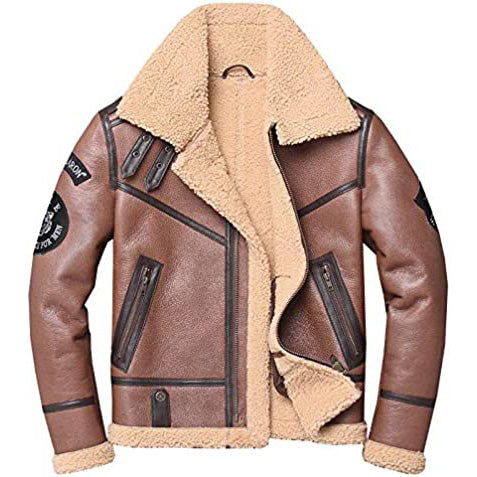

A good leather jacket can last for decades, but only if you look after it. The good news is that most cleaning can be done at home with a soft cloth, mild soap, and a little patience. The bad news is that a few common mistakes, like soaking the jacket or drying it with a hair dryer, can cause damage that is hard to reverse.
This step-by-step guide shows you how to clean a leather jacket safely at home, how to handle stains, how to care for suede and studded jackets, and when it is time to call a professional.
Before You Start: Check the Label and Test First
Every jacket is different. Before you clean anything, check the care label inside the jacket and confirm what material you are working with. Smooth leather, suede, and faux leather each need a different approach.
Then always do a spot test. Apply a small amount of your cleaner to a hidden area, such as the inside of the hem or under the collar. Wait until it dries completely and check for darkening, discoloration, or a change in texture. If anything looks wrong, stop.
What you will need for smooth leather:
- Two soft, lint-free microfiber cloths
- Lukewarm water
- A gentle, pH-balanced soap or a cleaner made for leather
- A leather conditioner
- A wide, padded hanger
How to Clean a Smooth Leather Jacket: Step by Step

Step 1: Remove Surface Dust
Lay the jacket flat or hang it up and wipe the whole surface with a dry microfiber cloth. This removes loose dust and grit that could scratch the leather once you add moisture. Pay attention to seams, collars, and pocket edges where dirt collects.
Step 2: Prepare a Mild Cleaning Solution
Mix a few drops of gentle soap into a bowl of lukewarm water, or use a dedicated leather cleaner according to its instructions. Avoid dish detergents with strong degreasers, household cleaners, and anything containing bleach, ammonia, or alcohol. These strip the natural oils that keep leather supple.
Step 3: Wipe, Do Not Soak
Dip a cloth into the solution and wring it out until it is only damp. Wipe the jacket in small sections using gentle, circular motions. Never pour water directly onto the leather, and never put a leather jacket in the washing machine unless the label specifically allows it. Too much water can cause stiffness, shrinkage, and water marks.
Step 4: Remove the Soap Residue
Dampen a second clean cloth with plain water, wring it out well, and wipe the jacket again to lift away any leftover soap.
Step 5: Let It Air Dry Naturally
Hang the jacket on a wide, padded hanger and let it dry at room temperature, away from radiators, heaters, and direct sunlight. Do not use a hair dryer. Direct heat pulls moisture out too quickly and can cause the leather to crack.
Step 6: Condition the Leather
Once the jacket is fully dry, apply a small amount of leather conditioner with a clean cloth. Work it in with light circular motions, let it absorb, then buff away any excess. Conditioning restores the oils lost during cleaning and helps prevent cracking. Most jackets only need conditioning a couple of times a year, or whenever the leather starts to feel dry.
How to Remove Common Stains
Treat stains as early as you can. The longer they sit, the deeper they soak into the hide.
- Water spots: Lightly dampen the whole panel with a cloth so it dries evenly, rather than leaving a ring around the spot.
- Grease or oil: Blot, do not rub. Sprinkle a little cornstarch or talcum powder on the spot, leave it for several hours to absorb the oil, then brush it away gently.
- Salt marks from winter: Wipe with a cloth dampened in a mix of equal parts water and white vinegar, then wipe with plain water and condition once dry. Test this in a hidden spot first.
- Ink: Ink is one of the hardest stains to remove from leather. Home remedies often spread it. For fresh ink on a valuable jacket, a professional leather cleaner is the safest option.
If your jacket has picked up an unpleasant odor rather than a stain, our guide on how to get the smell out of a leather jacket covers that in detail.
How to Clean a Suede Jacket

Suede has a soft, napped surface that reacts badly to water, so the method is completely different.
- Brush the jacket in one direction with a suede brush to lift dirt and restore the nap.
- Rub light marks with a suede eraser, then brush again.
- For fringe, brush each strand downward gently so it does not tangle.
- Protect clean suede with a spray made for suede, and keep it out of the rain.
Our women's vintage black suede fringe jacket is a good example of a piece that should always be cleaned dry.
How to Clean a Faux Leather Jacket

Faux leather is usually made from polyurethane or PVC, so it tolerates water better than real leather. Wipe it with a cloth dampened in mild soapy water, rinse with a clean damp cloth, and let it air dry. Skip leather conditioner, because faux leather does not absorb oils. Keep it away from heat, which can cause the coating to peel.
Not sure which you own? Read our comparison of genuine leather vs faux leather jackets.
Caring for Studded Leather Jackets

Studs and rivets need a little extra attention. Clean the leather around the hardware with a barely damp cloth or a cotton swab, and dry the metal right away to prevent tarnish. Avoid getting conditioner on the studs, and check regularly that none are loose. For more tips, see our guide to caring for a studded jacket.
Leather Jacket Cleaning Mistakes to Avoid
- Putting leather in a washing machine or dryer
- Using a hair dryer, heater, or direct sunlight to speed up drying
- Using baby wipes, bleach, alcohol, or all-purpose sprays
- Over-conditioning, which can leave leather sticky or darker
- Storing the jacket in a plastic bag, which traps moisture
How to Store Your Leather Jacket
Good storage prevents half the problems cleaning is meant to fix. Hang your jacket on a wide, padded hanger to support the shoulders. Keep it in a cool, dry closet with some space around it, and use a breathable cotton garment bag rather than plastic. If the jacket gets wet, hang it to dry naturally before putting it away.
When to Call a Professional
Home cleaning handles everyday dirt well. For deep stains, ink, mold, torn linings, or a valuable vintage piece, take the jacket to a specialist leather cleaner. Standard dry cleaners do not always have the right products for leather, so ask before you hand it over.
Frequently Asked Questions
How often should I clean my leather jacket?
Wipe it with a dry cloth whenever it looks dusty. A deeper clean and condition a couple of times a year is enough for most jackets, depending on how often you wear it.
Can I put a leather jacket in the washing machine?
Generally no. Machine washing soaks the leather and can cause stiffness, shrinkage, and cracking. Always follow the care label.
What household products are safe for leather?
A few drops of gentle soap in lukewarm water is the safest household option. Avoid bleach, ammonia, alcohol, and strong degreasers.
How do I make a stiff leather jacket soft again?
Clean it gently, let it dry naturally, then apply a leather conditioner and wear it regularly. Body heat and movement help leather relax over time.
Keep Your Leather Looking Its Best
Cleaning a leather jacket is simple once you know the rules: test first, use as little water as possible, dry naturally, and condition afterward. A few minutes of care every season keeps the leather soft, protects its color, and helps it develop a rich patina over the years.
Looking for a jacket worth caring for? Browse handcrafted pieces like our black studded leather biker jacket, or learn why quality hides last longer in our guide to full grain leather.