
A long coat is the piece that does the most work in a cold-weather wardrobe, so it pays to pick the right one. If you are deciding between a leather trench coat and an overcoat, the choice comes down to how you dress, how cold your winters get, and whether you want a belted, dramatic outline or a clean, tailored one.
Both coats sit below the hip and both layer over a suit or knitwear. The difference is in the details: the trench is built around a belt, storm flaps and a double-breasted front, while the overcoat is simpler, heavier in feel and made to sit neatly over tailoring. This guide compares the two on the points that matter when you are about to buy.
The Quick Answer
- Choose a trench coat if you want a belted, defined waist, a longer line and a coat that can be worn open, closed or tied.
- Choose an overcoat if you wear suits or smart layers often and want a clean, buttoned silhouette with no belt.
- For the coldest US winters, an overcoat with a warm lining or a shearling style usually feels warmer than a classic trench.
- For one coat that does everything, a black or dark brown leather trench is the most versatile pick.
Trench Coat vs Overcoat at a Glance
| Factor | Trench Coat | Overcoat |
|---|---|---|
| Origin | Military rainwear | Formal winter outerwear |
| Typical length | Knee to mid-calf | Just above to just below the knee |
| Closure | Usually double-breasted with a waist belt | Single or double-breasted, no belt |
| Details | Storm flap, epaulets, belted cuffs | Minimal: lapels, buttons, pockets |
| Look | Dramatic, defined waist | Clean, tailored, understated |
| Best for | Fall, wet days, smart-casual | Deep winter, office, suits |
What Makes a Trench Coat a Trench Coat
The trench started life as practical rainwear, and its features still show that. A classic trench has a double-breasted front, a wide collar that can be turned up, a storm flap across the chest, shoulder epaulets and a belt at the waist. Some versions add belted cuffs so you can close the sleeves against wind.
In leather, those details become part of the style. The belt gives you shape, which is why a trench often looks sharper on camera and on the street than a straight coat. It can be worn tied, buckled or left open with the belt hanging. The trade-off is that a trench has more going on visually, so it pairs best with simple clothes underneath: dark denim, a knit, plain trousers and boots. If you like a longer, sweeping line, a duster-style trench sits even lower; our trench vs duster guide covers that difference.
What Makes an Overcoat an Overcoat
An overcoat is designed to go over your other clothes, especially a suit jacket. That means a slightly roomier body through the chest and shoulders, a clean front with buttons, and no belt or epaulets. The result is calm and tailored. It looks right in an office, at a dinner, or over a turtleneck on a weekend.
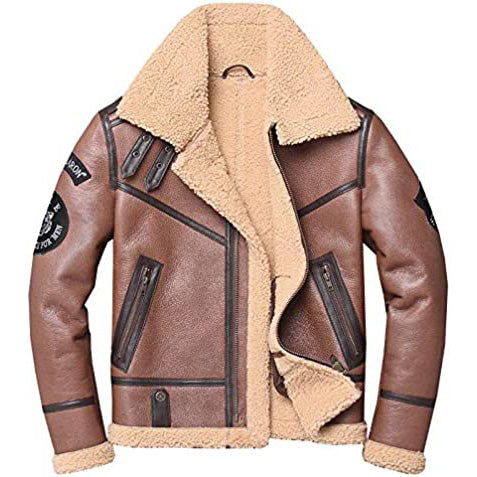
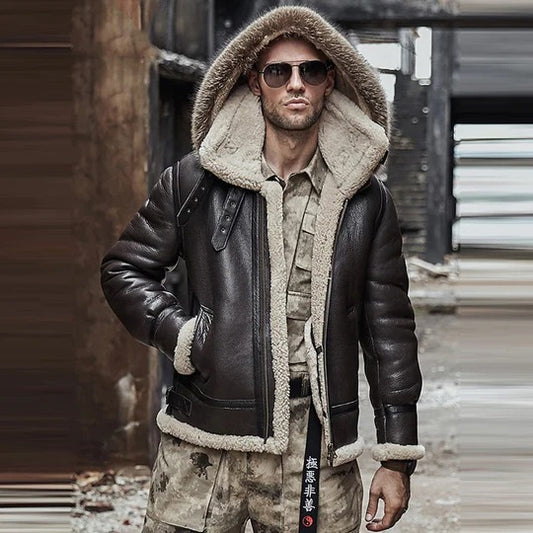
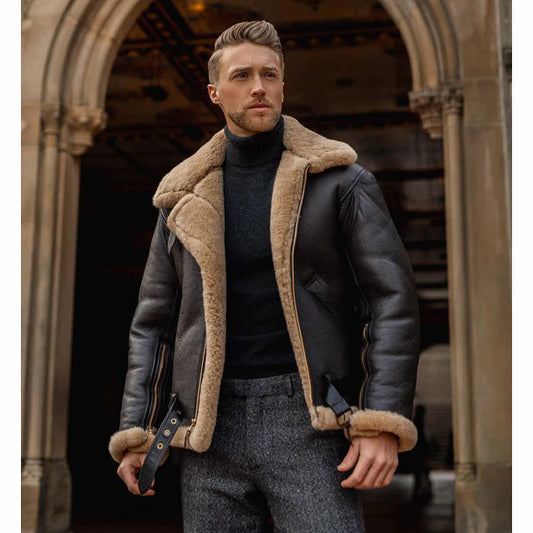
Because there is less hardware and fewer flaps, an overcoat tends to age quietly and stays in style year after year. In leather it reads as polished rather than tough. Overcoats are also where you will find warmer builds, such as shearling-lined and sheepskin styles, which is useful if you live somewhere with real winters. Browse our men's leather coats for more long styles in this family.
Warmth and Weather
Leather blocks wind well, so both coats will feel noticeably warmer than a fabric coat of the same length. What changes the warmth most is the lining. A thin polyester or cloth lining is fine for fall and mild winters. For cities where temperatures stay below freezing, look for quilted, wool or shearling linings, or move to a shearling leather jacket or coat.
For rain, a trench has the edge in design: the storm flap and higher collar keep water off the chest and neck. Leather itself should not be soaked, though, so in heavy rain carry an umbrella whichever coat you choose.
Fit and Body Type
The belt is the biggest fit difference. A trench pulls in at the waist, which suits slim and athletic builds and helps add shape to a straight frame. If you carry weight around the middle, you can leave the belt open and tie it behind you for a longer, cleaner line.
An overcoat hangs straight from the shoulders. That makes it forgiving for broader or heavier builds and a natural choice if you will wear a blazer underneath. When you measure, size for the thickest layer you plan to wear under it. Shoulder seams should sit at the edge of your shoulder, and sleeves should cover your shirt cuff.
Style and Occasions
A leather trench is a statement piece. It works over smart-casual outfits, with boots and dark jeans, and for evenings out. An overcoat is the safer choice for business dress, interviews and formal events, because it never competes with a suit.
Color matters too. Black is the most formal and the easiest to match. Brown and tan feel warmer and more relaxed, and they pair well with denim and earth tones; see our brown leather jackets for coordinated pieces.
Which Should You Buy?
- You wear a suit to work: buy an overcoat. It sits cleanly over a blazer and looks right in any office.
- You dress smart-casual and want impact: buy a belted leather trench in black or brown.
- You face hard winters: choose a lined overcoat or a shearling style for the extra insulation.
- You want one long coat for everything: a black leather trench worn open or belted covers the most ground.
- You want something no one else has: a custom-made leather coat lets you choose length, color and leather.
Trench Coats and Overcoats to Consider
Men's Brown Real Lambskin Leather Trench Coat

A classic brown trench in lambskin with a cloth lining. It suits buyers who want a soft, warm-toned coat that works with jeans as easily as with trousers. From $329.99. View the brown lambskin trench coat.
Premium Men's Real Cow Leather Trench Coat

Made from cow leather with a double-breasted closure and lapel collar, this one is built for everyday wear and a sturdier feel. A good choice if durability is your first priority. From $299.99. View the cow leather trench coat.
Men's Black Lambskin Leather Long Overcoat

A clean, tailored black overcoat in lambskin that layers over suits and knitwear. Ideal if you want one polished coat for the office and evenings. From $258.79. View the black lambskin overcoat.
Men's Brown Leather Double-Breasted Overcoat

A wide notched collar and six-button double-breasted front give this brown overcoat a sharp, classic look without a belt. It suits buyers who want structure but prefer a warmer color than black. From $261. View the brown double-breasted overcoat.
Shopping for her? The women's leather trench coat collection has belted and long styles cut for a women's fit.
Frequently Asked Questions
Is a trench coat the same as an overcoat?
No. Both are long coats, but a trench has a belt, storm flap and epaulets, while an overcoat is a simpler, tailored coat designed to go over a suit.
Which is warmer, a trench coat or an overcoat?
It depends mostly on the lining. Overcoats are more often built for deep winter with heavier or shearling linings, while classic trenches lean toward fall and wet weather.
Can you wear a leather trench coat over a suit?
Yes, if it has enough room in the shoulders and the sleeves cover the suit sleeves. Size up or check measurements if you plan to wear it this way often.
What length should a leather trench coat be?
Knee length is the most versatile for most heights. Shorter men often look best in a coat that ends at or just above the knee, while taller men can carry mid-calf lengths.
Should I choose black or brown?
Black is more formal and easier to match. Brown is more relaxed and pairs well with denim and earth tones. If this is your only long coat, start with black.
Find the Long Coat That Fits Your Life
If you want shape, presence and a coat you can belt, go with a trench. If you want a clean layer for suits and the coldest months, an overcoat is the smarter buy. Either way, leather gives you wind protection and a coat that improves with wear. Explore our full leather trench coat collection to compare lengths, colors and linings. Shipping is free worldwide by DHL, FedEx or TNT, and import duties are paid by the customer.