
-
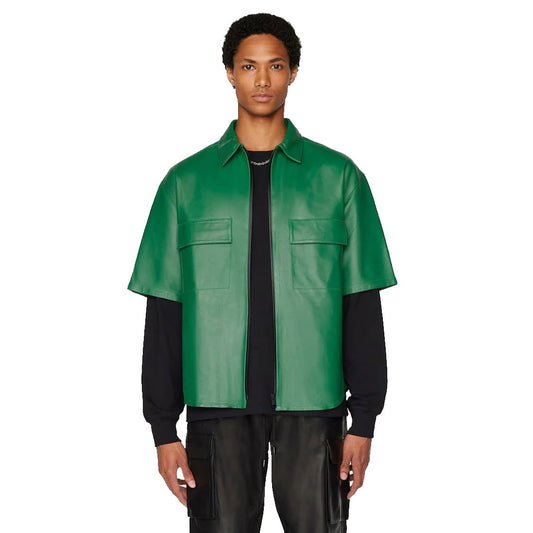
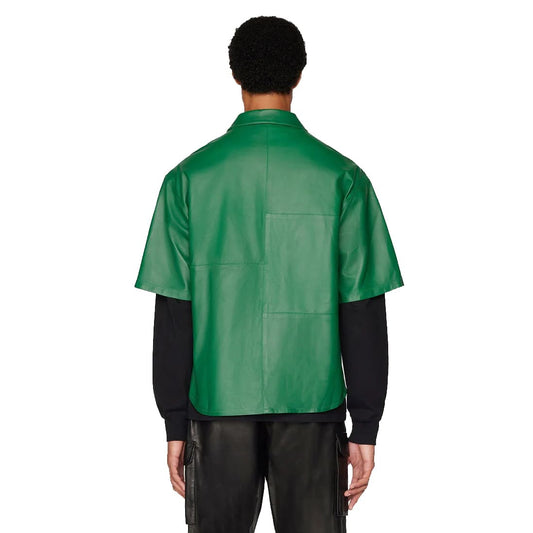
Men's Green Half Sleeve Leather Shirt
Vendor:jacketskingdomRegular price $209.00 USDRegular priceUnit price per -
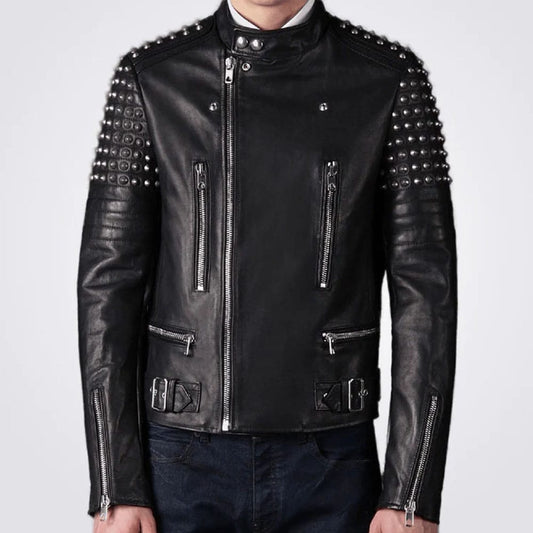
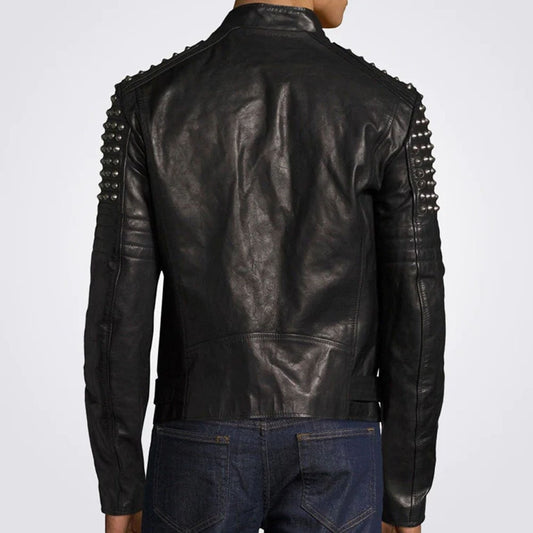
Men's Black Studded Leather Fashion Jacket
Vendor:jacketskingdomRegular price $299.99 USDRegular priceUnit price per -
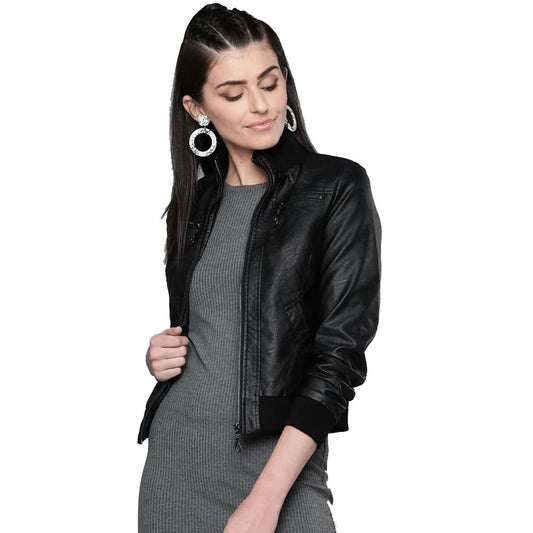
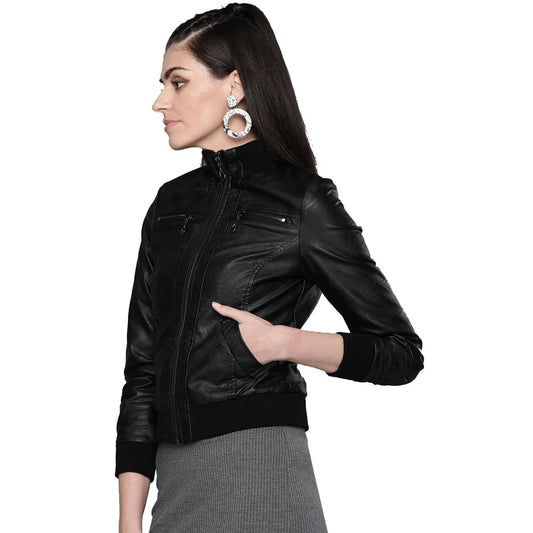
Women's Black Solid Bomber Leather Jacket
Vendor:jacketskingdomRegular price $199.99 USDRegular priceUnit price per -
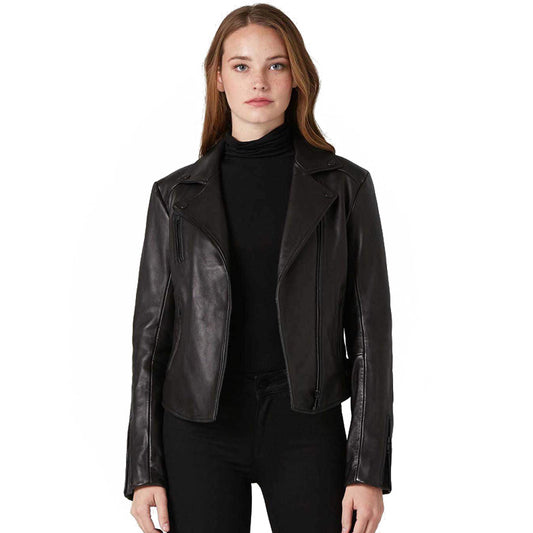
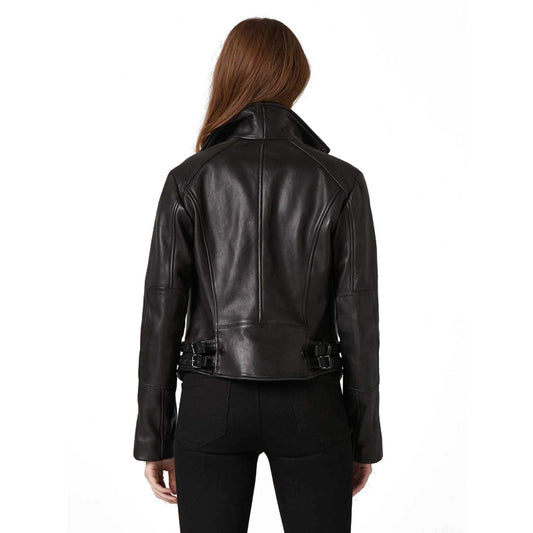
Women's Black Leather Biker Jacket
Vendor:jacketskingdomRegular price $249.99 USDRegular priceUnit price per -
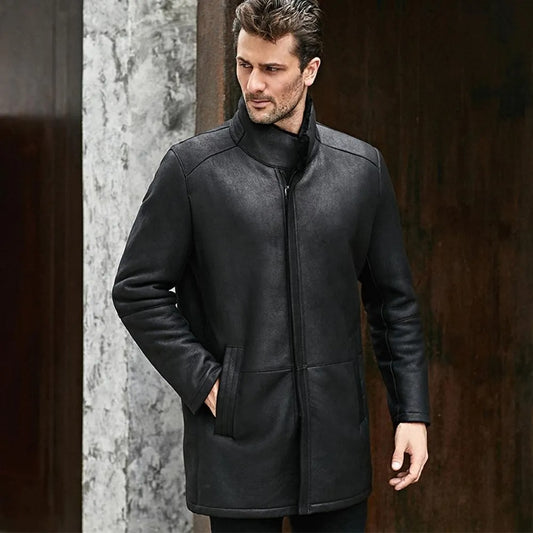
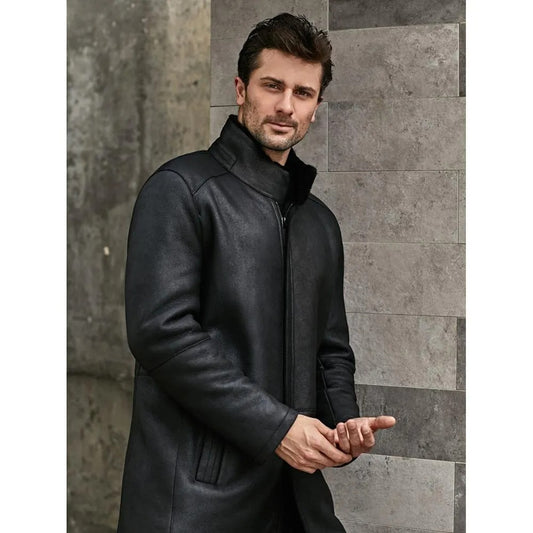
Men's Stand Collar Black Shearling Long Coat
Vendor:jacketskingdomRegular price $399.99 USDRegular priceUnit price per -
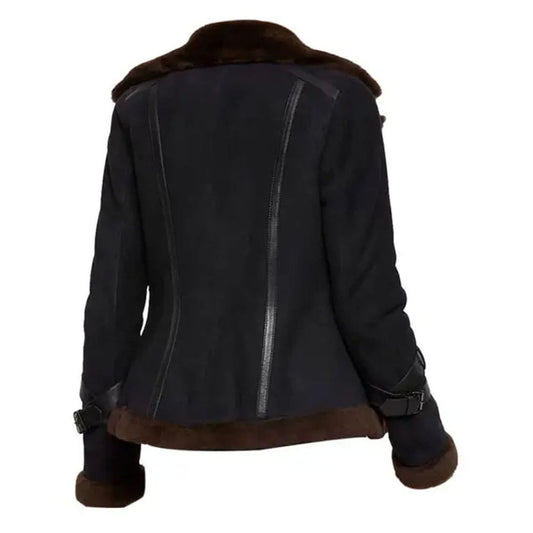
Women's Meghan Aviator Bomber Fur Jacket
Vendor:jacketskingdomRegular price $239.99 USDRegular priceUnit price per -
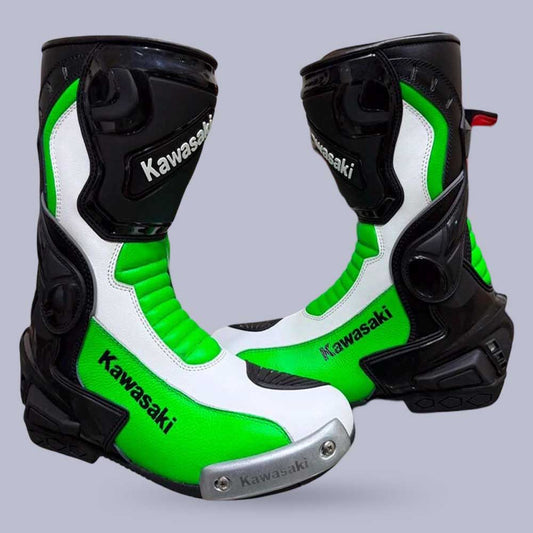
Kawasaki Ninja Racing Boots | CE Level 2 Leather Motorcycle Shoes
Vendor:jacketskingdomRegular price $239.99 USDRegular priceUnit price per$340.00 USDSale price $239.99 USDSale -
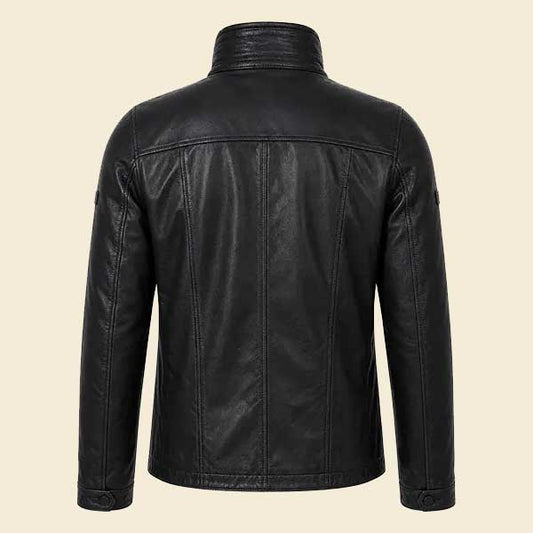
Mens Brad Black Leather Jacket in Real Leather with Zip Up
Vendor:jacketskingdomRegular price $239.99 USDRegular priceUnit price per$299.99 USDSale price $239.99 USDSale -
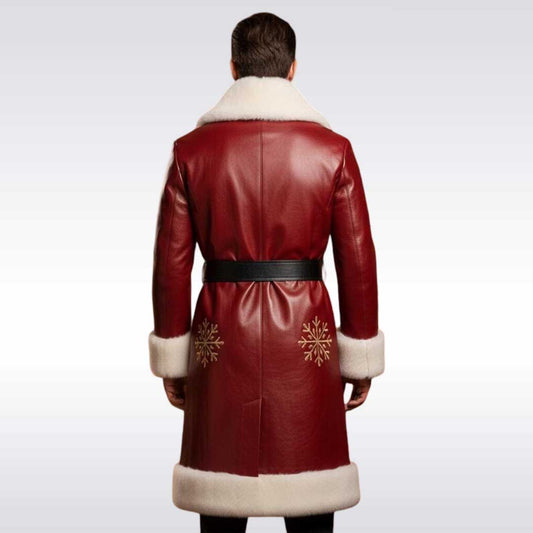
Customized Santa Inspired Red Leather Duster Christmas Coat
Vendor:jacketskingdomRegular price $449.99 USDRegular priceUnit price per -
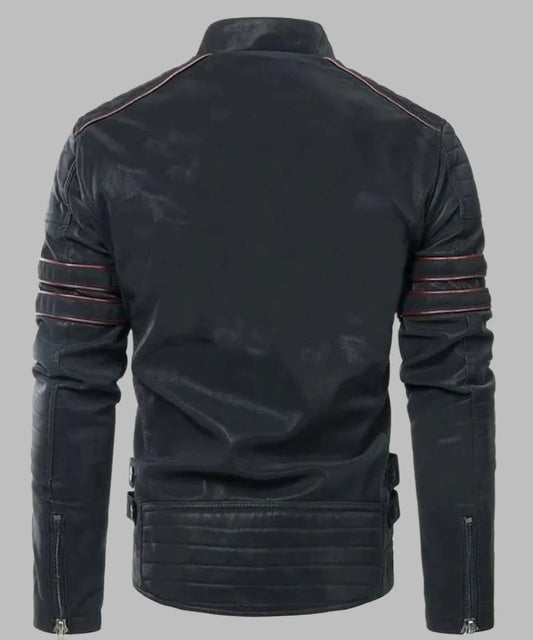
Men’s Pegasus Biker Leather Jacket - Classic Motorcycle Style
Vendor:jacketskingdomRegular price $229.99 USDRegular priceUnit price per$249.99 USDSale price $229.99 USDSale -
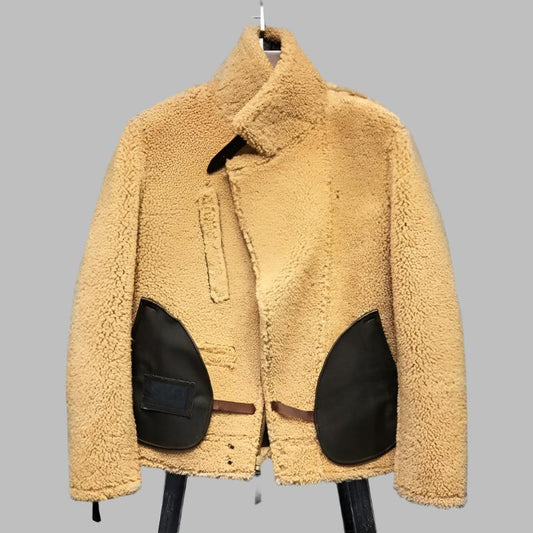
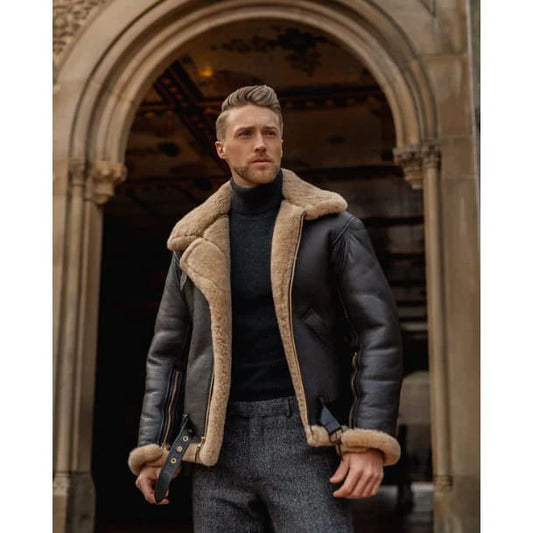
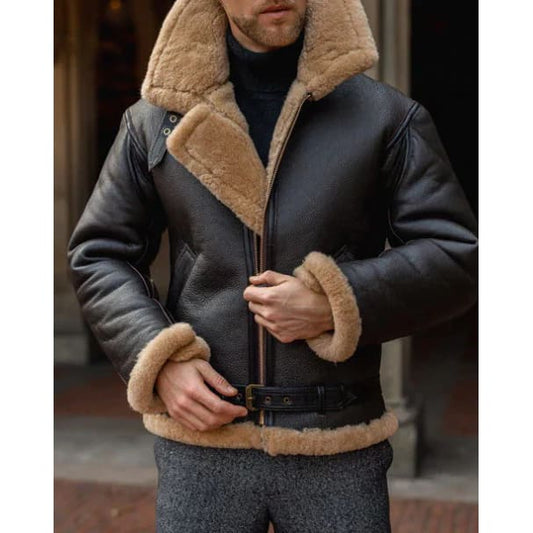
B3 Shearling Leather Flying Jacket - Men’s Fur Pilots Coat
Vendor:jacketskingdomRegular price $259.99 USDRegular priceUnit price per$299.99 USDSale price $259.99 USDSale -
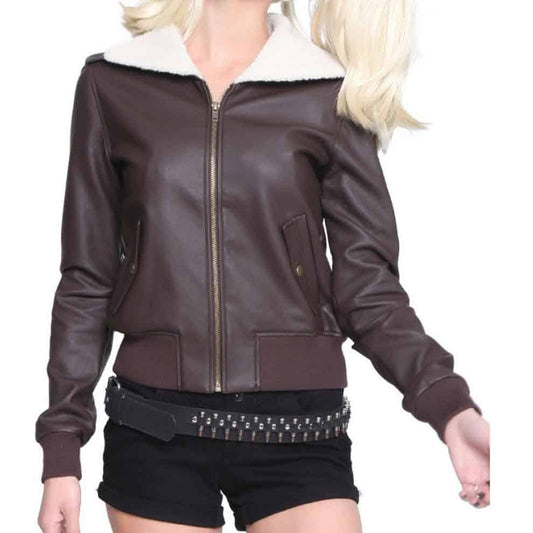
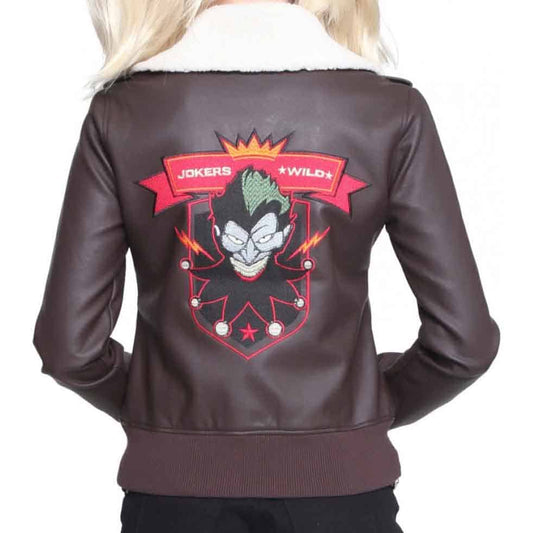
Harley Quinn Bombshell Brown Jacket with Fur Collar
Vendor:jacketskingdomRegular price $239.99 USDRegular priceUnit price per -
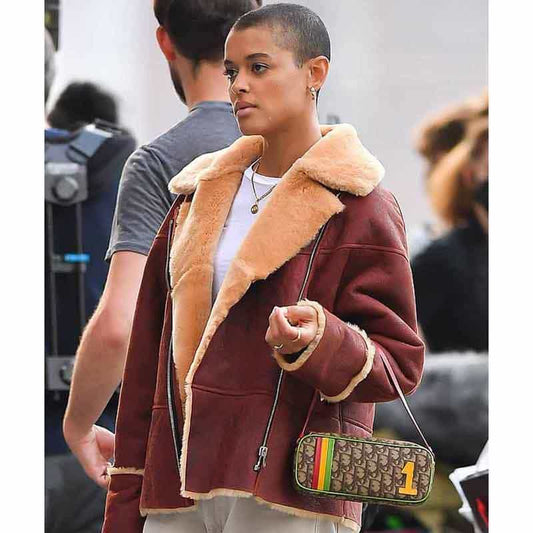
Julien Calloway Leather Shearling Jacket - Gossip Girl Inspired
Vendor:jacketskingdomRegular price $249.99 USDRegular priceUnit price per$299.99 USDSale price $249.99 USDSale -
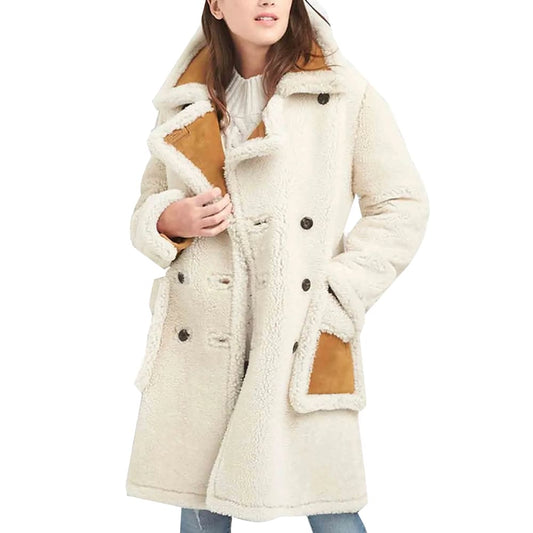
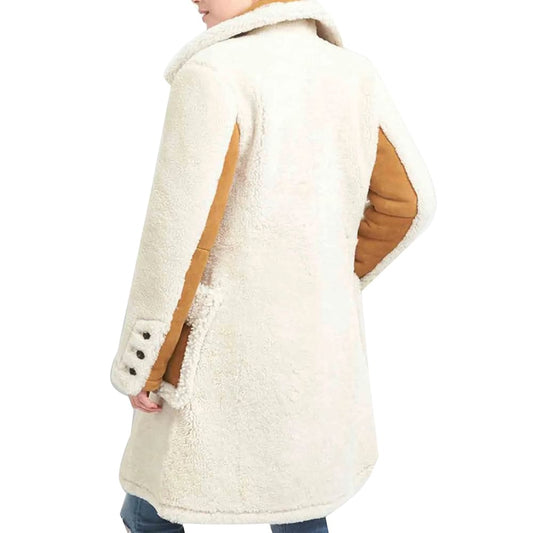
Double Breasted White Shearling Coat for Women
Vendor:jacketskingdomRegular price $449.99 USDRegular priceUnit price per$499.99 USDSale price $449.99 USDSale -
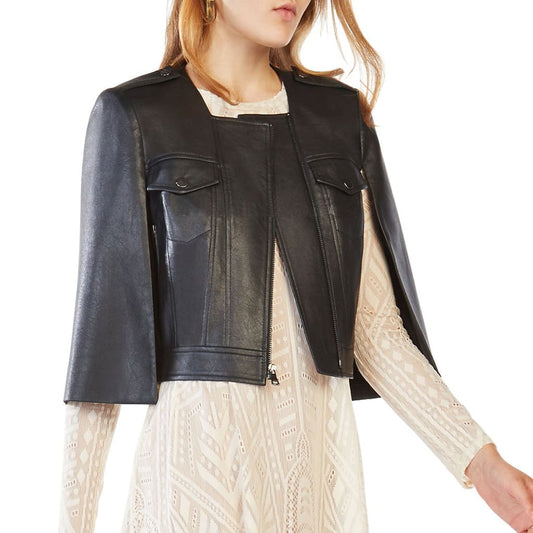
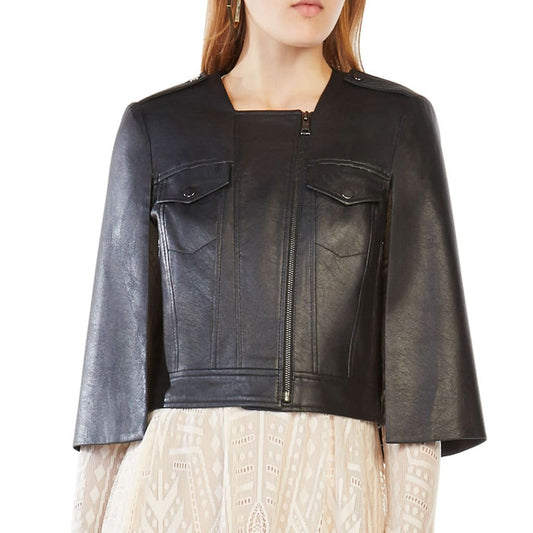
Women's Cape Sleeves Black Leather Jacket - Unique Style
Vendor:jacketskingdomRegular price $199.99 USDRegular priceUnit price per -
Black Men's Aviator Fur Sheepskin Leather Jacket
Vendor:jacketskingdomRegular price $279.99 USDRegular priceUnit price per$299.99 USDSale price $279.99 USDSale -
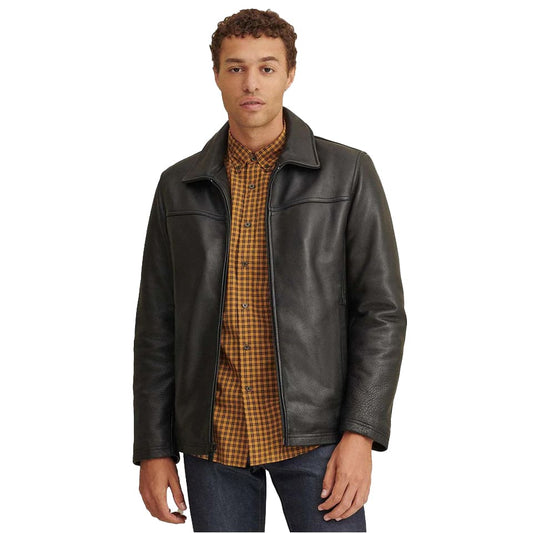
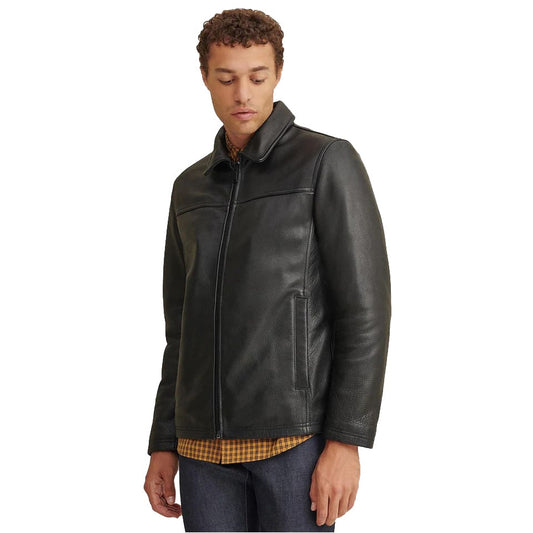
Men's Classic Black Leather Jacket
Vendor:jacketskingdomRegular price $229.99 USDRegular priceUnit price per$249.99 USDSale price $229.99 USDSale -
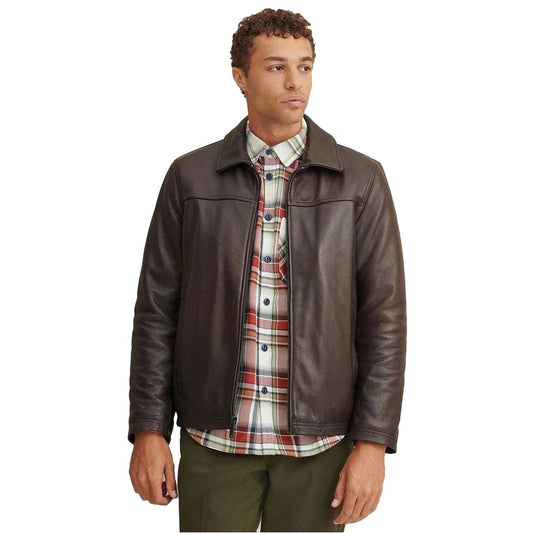
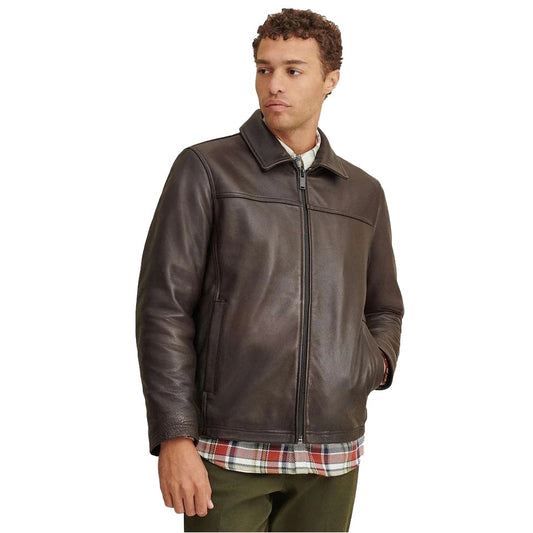
Men's Classic Dark Brown Leather Jacket
Vendor:jacketskingdomRegular price $239.00 USDRegular priceUnit price per$259.00 USDSale price $239.00 USDSale -
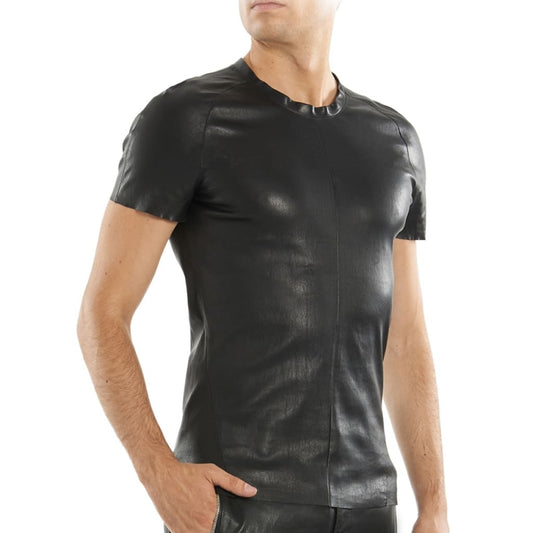
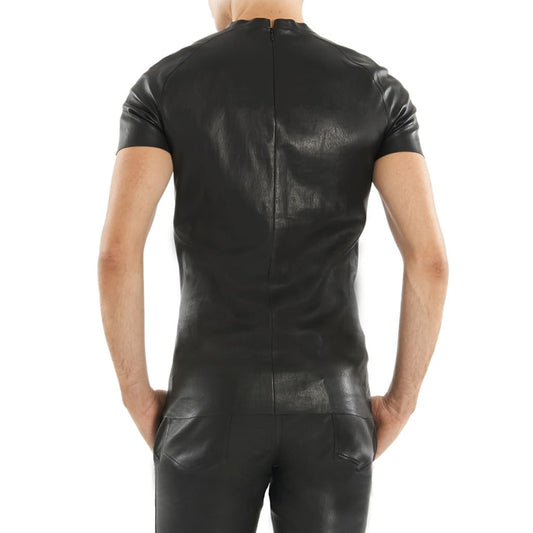
Men's Lamb Leather T-Shirt
Vendor:jacketskingdomRegular price $159.99 USDRegular priceUnit price per$199.99 USDSale price $159.99 USDSale -
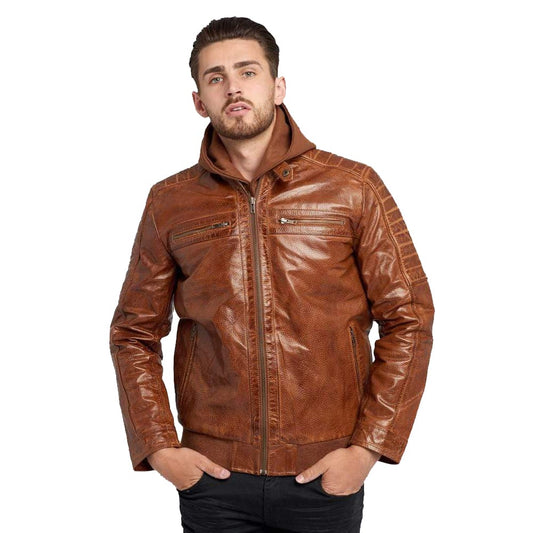
Men's Waxed Brown Hooded Leather Jacket
Vendor:jacketskingdomRegular price $229.99 USDRegular priceUnit price per







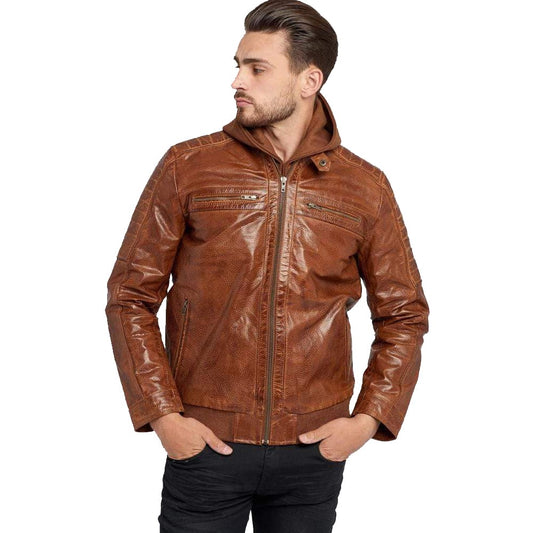
What Makes New Arrivals Leather Clothing 2026 Stand Out
The 2026 leather clothing collection represents a significant evolution in modern leather fashion, blending traditional craftsmanship with contemporary design sensibilities. Unlike mass-produced alternatives, every piece in this collection undergoes rigorous quality control and features premium materials sourced from certified tanneries.
Uncompromising Quality Standards
Each garment in our new leather arrivals meets strict quality benchmarks established by industry experts. The leather used throughout this collection comes from Grade-A hides, carefully selected for their natural grain patterns, uniform thickness, and minimal imperfections. This meticulous selection process ensures that every jacket, pant, or accessory maintains structural integrity while developing a beautiful patina over time.
Our craftspeople employ time-honored techniques passed down through generations, combined with modern precision cutting and stitching technology. This hybrid approach delivers garments that honor leather's heritage while meeting contemporary fit and finish expectations.
Contemporary Design Philosophy
The 2026 collection reflects current fashion trends while maintaining timeless appeal. Design teams analyzed runway shows, street style movements, and consumer feedback to create pieces that resonate with today's fashion-conscious buyers. You'll find clean lines, minimalist hardware, and versatile colorways that complement existing wardrobes rather than competing with them.
Silhouettes range from classic biker jackets with modern tailoring adjustments to innovative leather shirt designs that work equally well in casual and business-casual settings. Each piece serves multiple styling purposes, maximizing wardrobe versatility and cost-per-wear value.
Sustainability and Ethical Sourcing
Modern consumers increasingly prioritize ethical production, and this collection responds accordingly. All leather materials come from facilities adhering to Leather Working Group environmental standards. These certified tanneries minimize water usage, eliminate harmful chemicals, and implement waste reduction protocols.
The production process emphasizes longevity over disposability. Rather than creating trendy pieces with limited lifespans, designers focused on enduring styles that remain relevant for years. This approach reduces fashion waste while delivering better value to customers who invest in quality leather clothing.
Premium Materials & Craftsmanship
Understanding the materials and construction methods behind leather clothing helps buyers make informed purchasing decisions and appreciate the value these garments deliver.
Leather Types and Characteristics
Full-Grain Leather: The highest quality option in this collection, full-grain leather retains the hide's natural surface, including unique markings that tell each animal's story. This material develops a distinguished patina as it ages, becoming more beautiful and personalized over time. Full-grain leather offers exceptional durability, breathability, and resistance to wear.
Top-Grain Leather: Slightly more uniform in appearance than full-grain, top-grain leather undergoes minimal processing to remove surface imperfections while maintaining the material's natural strength. This leather type provides excellent longevity and a refined aesthetic that appeals to those preferring consistent coloring and texture.
Nubuck and Suede Finishes: Select pieces feature nubuck or suede, offering softer textures and distinctive visual appeal. These buffed leathers create casual, approachable aesthetics while maintaining the durability expected from premium leather garments.
Construction Techniques
Seam strength determines leather garment longevity. This collection exclusively uses reinforced stitching at stress points, including shoulders, armholes, and pocket attachments. Heavy-duty thread rated for industrial applications ensures seams withstand years of regular wear without separation or fraying.
Lining materials receive equal attention. Breathable viscose, silk, and cotton blends prevent moisture buildup while allowing comfortable all-day wear. Strategic lining placement in jackets and pants enhances structure without adding unnecessary bulk.
Hardware components—zippers, buttons, snaps, and buckles—come from YKK and other premium manufacturers known for smooth operation and corrosion resistance. Metal finishes coordinate with leather colors, creating cohesive aesthetics from collar to hem.
Hand-Finished Details
Skilled artisans apply finishing touches that distinguish premium leather from standard offerings. Edge painting creates clean, polished seam appearances. Hand-applied topstitching adds visual interest while reinforcing structural elements. Leather conditioning treatments protect against moisture and environmental damage from the moment garments leave the workshop.
These labor-intensive processes add production time and cost, but they deliver superior products that justify premium pricing through exceptional quality and longevity.
Styles, Fits & Variations Available
The new arrivals collection spans diverse categories, ensuring options for various body types, style preferences, and functional requirements.
Leather Jackets Collection
Classic Biker Jackets: Asymmetrical zip closures, notched lapels, and multiple pockets define this iconic style. Updated fits accommodate modern body shapes while maintaining the rebellious aesthetic that made biker jackets fashion staples. Available in black, brown, and oxblood colorways.
Bomber Jackets: Ribbed cuffs and waistbands create sporty silhouettes perfect for casual weekend wear. Lightweight leather construction makes these jackets ideal transitional pieces for spring and fall. Neutral colors like tan, olive, and navy expand styling possibilities.
Blazers and Tailored Jackets: Structured leather blazers bridge casual and formal dressing. These pieces work over dress shirts for elevated business casual looks or pair with t-shirts for sophisticated weekend ensembles. Precise tailoring ensures professional appearances without sacrificing leather's inherent edge.
Racer Jackets: Minimalist designs without extraneous details appeal to those favoring clean aesthetics. Stand collars, streamlined zip closures, and unadorned fronts create sleek profiles that complement modern wardrobes.
Leather Pants and Bottoms
Skinny Fit Leather Pants: Body-hugging silhouettes elongate legs and create contemporary rock-and-roll aesthetics. Stretch leather blends ensure comfort despite tight fits. These pants pair perfectly with oversized sweaters, blazers, or graphic tees.
Straight Leg Options: Classic straight cuts offer versatile styling from casual to semi-formal. Comfortable through the thigh with slight tapering at the ankle, these pants accommodate various footwear choices from sneakers to boots.
Leather Skirts: Pencil, A-line, and wrap styles in varying lengths provide feminine options for leather enthusiasts. Midi lengths offer workplace-appropriate choices, while mini styles create bold fashion statements for evening wear.
Shirts, Tops, and Vests
Leather Shirts: Button-front designs in supple lambskin create unexpected wardrobe additions. These pieces layer under jackets during colder months or stand alone as statement tops in moderate weather.
Vests: Sleeveless designs add textural interest to outfits without full jacket commitment. Vests work particularly well in layered looks, adding dimension over long-sleeve shirts or under blazers.
Accessories and Small Leather Goods
Complementary accessories complete looks while showcasing leather craftsmanship in smaller formats. Belts with distinctive buckles, structured handbags, sleek wallets, and leather gloves extend the collection's aesthetic across full outfits.
How to Choose the Right Leather Clothing for Your Needs
Selecting appropriate leather garments requires considering multiple factors beyond initial aesthetic appeal.
Assessing Your Lifestyle Requirements
Daily Wear Frequency: If you plan to wear leather clothing regularly, prioritize durable full-grain options that withstand frequent use. For occasional wear, top-grain or specialty finishes offer excellent value with slightly lower price points.
Climate Considerations: Leather naturally insulates, making heavyweight jackets ideal for cold climates. Those in moderate or warm regions should explore lightweight leather shirts, vests, or unlined jacket styles that provide leather's aesthetic benefits without excessive warmth.
Functional Needs: Consider how you'll use garments. Motorcycle enthusiasts require reinforced construction with protective features. Fashion-focused buyers might prioritize trendy cuts and finishes over functional elements.
Understanding Fit Principles
Leather clothing should fit slightly snug when new, as the material stretches with wear to conform to your body. Allow approximately half an inch of ease in jackets—you should be able to layer a thin sweater underneath without straining seams or restricting movement.
Sleeve length matters particularly in leather jackets. Properly fitted sleeves end at your wrist bone, allowing slight bunching when arms bend. Shoulders should align with your natural shoulder point without drooping or pulling.
Leather pants require careful attention to rise (distance from crotch to waistband) and inseam length. The material's limited stretch means improper rise causes discomfort, while incorrect inseam creates unflattering bunching or awkward hemlines.
Color Selection Strategies
Black Leather: The most versatile option, black leather coordinates with virtually every color palette and transitions seamlessly from casual to formal contexts. Black works particularly well for first leather purchases.
Brown and Tan Shades: Warmer tones create approachable, vintage-inspired aesthetics. Brown leather complements earth tones and denim while offering visual interest beyond basic black.
Statement Colors: Oxblood, forest green, navy, and burgundy provide unique alternatives for established leather wearers seeking collection expansion. These colors make strong fashion statements while remaining sophisticated.
Budget Considerations
Quality leather represents significant investment, but proper selection delivers years of wear. Calculate cost per wear by dividing purchase price by expected uses over the garment's lifespan. A $500 jacket worn 200 times over five years costs just $2.50 per wear—less than many disposable fashion items.
Consider starting with versatile foundational pieces like classic black jackets before expanding into specialty items. This approach builds functional wardrobes while managing initial expenditure.
Best Uses & Occasions for Leather Clothing
Leather's versatility allows appropriate wear across diverse settings when styled thoughtfully.
Everyday Casual Wear
Leather jackets transform basic jeans-and-tee combinations into polished casual looks suitable for coffee dates, shopping trips, or weekend brunches. The material's inherent structure elevates simple outfits without requiring extensive styling effort.
Leather pants paired with cozy sweaters create comfortable yet sophisticated ensembles for running errands or casual Friday office environments in relaxed workplaces.
Professional and Business Casual Settings
Modern workplaces increasingly embrace individual style expression, creating opportunities for leather incorporation in professional wardrobes. Tailored leather blazers over dress shirts and trousers deliver authority and confidence in client meetings or presentations.
Leather pencil skirts with silk blouses strike perfect balances between professional polish and personal style. These combinations work particularly well in creative industries where conservative dress codes have loosened.
Evening and Social Events
Leather's inherent drama makes it excellent for date nights, concerts, gallery openings, and dinner parties. Black leather pants with heeled boots and elegant tops create striking evening looks that photograph beautifully and command attention.
Leather jackets layered over cocktail dresses add unexpected edge to feminine pieces, creating memorable style moments that stand out from conventional evening wear.
Seasonal Styling Approaches
Spring: Lightweight leather jackets in tan or cognac shades complement floral dresses and pastel palettes. Unlined options provide just enough coverage for cool spring evenings without overheating.
Summer: Leather vests, sleeveless tops, and shorts extend leather wearing into warmer months. Lighter colors and perforated designs enhance breathability while maintaining summer appropriateness.
Fall: Peak leather season arrives with autumn's cooler temperatures. Layer leather jackets over chunky knits, pair leather pants with boots and scarves, and embrace the material's natural synergy with autumn color palettes.
Winter: Shearling-lined leather coats provide exceptional warmth and weather protection. Heavy leather insulates effectively while offering wind and moisture resistance that lighter materials can't match.
Size, Fit & Care Guide
Proper sizing and maintenance ensure leather clothing delivers maximum longevity and satisfaction.
Comprehensive Sizing Information
Measuring for Jackets: Use a fabric measuring tape to determine chest circumference at its widest point, typically across nipple line. Measure sleeve length from center back neck, across shoulder, down to wrist. Compare measurements to size charts, noting that leather jackets typically run true to size with consideration for intended layering.
Pant Measurements: Record waist circumference at your natural waistline (typically narrowest point) and hip measurement at fullest point. Inseam should be measured from crotch to desired hem length. Remember leather's minimal stretch when selecting sizes—if between sizes, choose the larger option.
International Size Conversions: US sizes differ from UK and European standards. Most product pages provide conversion charts, but when in doubt, rely on actual measurements rather than size labels. A US size 8 equals UK size 12 and EU size 38-40, though variations exist between manufacturers.
Alterations and Adjustments
Professional leather tailors can adjust certain elements after purchase. Sleeve shortening, waist taking in (to a degree), and hem adjustments are typically feasible. However, leather's nature makes enlarging garments or significant restructuring impractical or expensive.
Purchase items fitting correctly in shoulders and chest, as these areas rarely alter successfully. Minor adjustments in length or circumference cost significantly less than full garment replacement.
Essential Leather Care Practices
Regular Cleaning: Wipe leather surfaces with slightly damp, soft cloths to remove surface dirt and dust. Avoid excessive water exposure, which can damage leather's natural oils and cause stiffening or discoloration.
Conditioning: Apply leather conditioner every 3-6 months depending on wear frequency and climate. Conditioning replenishes natural oils that keep leather supple and prevent cracking. Test conditioners on inconspicuous areas first to ensure color compatibility.
Storage Solutions: Hang leather garments on padded hangers that maintain shoulder shape. Avoid wire hangers that create creases and distort structure. Store in breathable garment bags rather than plastic, which traps moisture and promotes mildew.
Weather Protection: While leather tolerates light moisture, extended rain exposure causes damage. Apply protective sprays designed for leather before wearing in questionable weather. If leather gets wet, air-dry naturally away from direct heat sources.
Professional Cleaning: Annual professional leather cleaning removes embedded dirt and refreshes appearance. Specialists use appropriate solvents and techniques that preserve leather integrity while restoring original beauty.
Troubleshooting Common Issues
Stiffness: New leather often feels rigid. Wear garments regularly—body heat and movement naturally soften material over time. Gentle conditioning accelerates this process.
Scratches and Scuffs: Minor surface marks often disappear with leather conditioner application. Deeper scratches may require professional attention or acceptance as character-adding patina.
Odor: New leather smell dissipates naturally with airing. Persistent odors may respond to baking soda sachets placed in pockets or along lining. Avoid perfumes or deodorizers that can stain leather.
Why Customers Trust This Collection
Building customer confidence requires transparent business practices and demonstrated commitment to quality.
Quality Assurance Processes
Every garment undergoes multi-stage inspection before shipping. Initial quality checks occur during production, examining stitching consistency, hardware functionality, and leather quality. Final inspections verify proper sizing, identify any manufacturing defects, and ensure garments meet established standards.
This rigorous approach minimizes defective items reaching customers, though comprehensive return policies protect buyers if issues occur.
Customer Service Excellence
Dedicated support teams assist with sizing questions, care advice, and purchase concerns. Multiple contact channels—phone, email, live chat—ensure customers receive timely assistance through preferred communication methods.
Representatives undergo extensive product training, enabling them to provide specific information about construction methods, leather sources, and styling recommendations rather than generic responses.
Transparent Business Practices
Clear return and exchange policies eliminate purchase risk. Customers can return unworn items within specified timeframes for refunds or exchanges, removing the uncertainty that inhibits online leather purchases.
Detailed product descriptions include comprehensive material information, country of origin, care requirements, and accurate photography showing leather texture and color. This transparency helps customers make informed decisions aligned with their needs and expectations.
Verified Customer Reviews
Authentic customer feedback provides social proof of product quality and company reliability. Reviews address fit accuracy, leather quality, customer service experiences, and long-term durability—information particularly valuable for significant investments like leather clothing.
Negative reviews receive responses addressing concerns and offering solutions, demonstrating commitment to customer satisfaction beyond initial sales.
Comparison with Similar Collections
Understanding how this collection differs from alternatives helps justify investment decisions.
Premium vs. Fast Fashion Leather
Fast fashion retailers offer leather-look garments at fraction of premium prices, but fundamental differences exist beyond cost. Genuine full-grain leather develops character through wear, while synthetic alternatives deteriorate quickly and land in landfills.
Fast fashion "leather" typically uses bonded leather (leather scraps glued together) or polyurethane coatings over fabric. These materials crack, peel, and lose structural integrity within seasons. Premium leather improves with age, developing personalized patina that enhances rather than diminishes appearance.
Construction quality also diverges dramatically. Fast fashion employs minimal stitching, basic hardware, and simplified designs that reduce production costs but compromise durability. Premium collections invest in reinforced seams, quality zippers, and structured tailoring that withstand years of regular wear.
Contemporary vs. Heritage Brands
Heritage leather brands offer exceptional craftsmanship backed by decades or centuries of experience. However, their designs sometimes feel dated or overly traditional. Contemporary collections like these new arrivals balance time-honored construction methods with modern aesthetics that resonate with current fashion sensibilities.
Pricing often reflects brand heritage as much as actual quality differences. Emerging quality-focused brands deliver comparable craftsmanship at more accessible price points, making premium leather available to broader audiences.
Specialized vs. Comprehensive Collections
Some retailers focus exclusively on specific leather categories—jackets only, or biker-specific gear. While depth of selection within narrow categories can be impressive, comprehensive collections offer styling cohesion. Jackets, pants, and accessories designed as coordinating collections create polished, intentional aesthetics more effectively than mixing pieces from various sources.
This new arrivals collection provides range without sacrificing focus, offering enough variety to build complete leather-based wardrobes while maintaining consistent quality standards across categories.
Shipping, Returns & Customer Support
Practical purchase logistics significantly impact customer experience and satisfaction.
Shipping Options and Timeframes
Standard Shipping: Free on orders meeting minimum thresholds, typically delivered within 5-7 business days domestically. This option suits customers planning purchases in advance rather than requiring immediate delivery.
Expedited Shipping: Available at additional cost for time-sensitive purchases, delivering within 2-3 business days. Useful when buying for specific events or replacing damaged garments quickly.
International Shipping: Available to UK and select international destinations with varying delivery timeframes and customs considerations. International customers should review specific country shipping policies before ordering.
All shipments include tracking information, allowing customers to monitor packages from warehouse to doorstep. Signature requirements on high-value orders protect against porch theft and delivery errors.
Return and Exchange Policies
Unworn items with original tags return within 30 days for full refunds. This generous window allows thorough at-home evaluation—trying garments with existing wardrobe pieces, assessing fit in proper lighting, and making confident keep-or-return decisions.
Exchange processes accommodate size adjustments without requiring full returns and repurchases. Customer service facilitates exchanges, often shipping replacement sizes before receiving returns to minimize wardrobe gaps.
Worn items may qualify for exchanges if manufacturing defects become apparent during initial wear. Photographs and descriptions of issues help customer service teams evaluate claims and provide appropriate solutions.
Customer Support Accessibility
Live Chat: Real-time assistance during business hours for immediate questions about sizing, shipping, or product specifications.
Email Support: Detailed inquiries receive comprehensive responses within 24 hours. Email works well for complex questions requiring research or multiple pieces of information.
Phone Support: Direct conversations with representatives who access order histories, provide personalized recommendations, and troubleshoot issues requiring detailed discussion.
Secure Transactions
All transactions process through encrypted connections protecting payment information. Multiple payment options—credit cards, PayPal, Shop Pay, and installment plans—accommodate diverse customer preferences.
Clear confirmation emails document purchases, including itemized receipts, shipping addresses, and estimated delivery dates. These records provide reference for tracking and potential return purposes.
The Value Proposition of Investing in Quality Leather
Understanding leather clothing's long-term value helps justify initial investment and encourages thoughtful purchasing.
Longevity Economics
Quality leather garments can last decades with proper care—some vintage leather jackets remain wearable 40+ years after manufacture. Comparing this longevity against disposable fashion that requires replacement every season or two reveals significant value differences.
A $600 leather jacket worn regularly for 15 years costs $40 annually—less than many consumers spend monthly on trendy pieces discarded after brief wear. This cost-per-wear calculation demonstrates how premium purchases actually reduce long-term clothing expenditure.
Environmental Considerations
Fashion industry environmental impact has gained well-deserved attention. Fast fashion's take-make-dispose model contributes massively to landfill waste and resource consumption. Investing in durable leather pieces that last years or decades directly counters this wasteful cycle.
Properly sourced leather utilizes byproducts from food industries, preventing waste while creating valuable materials. Choosing leather from certified sustainable tanneries supports environmental responsibility throughout supply chains.
Personal Style Investment
Leather develops unique character reflecting individual wear patterns and experiences. Unlike mass-produced synthetic materials that degrade uniformly, genuine leather's patina tells personal stories—creases forming at favorite pockets, color variations from sun exposure, subtle wear patterns from daily activities.
This personalization creates emotional connections between wearers and garments, fostering appreciation that extends beyond simple utility. These connections encourage keeping and caring for leather pieces rather than disposing of them when trends shift.
Timeless Appeal
While specific leather styles experience trend cycles, leather's fundamental appeal remains constant across decades. A well-designed leather jacket transcends seasonal trends, remaining stylistically relevant through fashion evolution. This timelessness protects against the premature obsolescence plaguing trendy pieces.
Styling Tips from Fashion Experts
Professional styling guidance helps customers maximize versatility and create cohesive looks.
Building Leather-Based Capsule Wardrobes
Start with one exceptional leather jacket in black or brown, selecting a style aligned with your aesthetic preferences—biker for edge, bomber for casual versatility, or blazer for polish. This foundational piece should coordinate with 80% of existing wardrobe items.
Add leather pants in complementary or contrasting colors. Black leather pants work with brown jackets and vice versa, creating visual interest through color blocking. Alternatively, match jacket and pant colors for sleek monochromatic looks.
Incorporate leather accessories—belts, bags, shoes—that echo jacket and pant tones. These smaller leather goods unify outfits while distributing leather elements rather than concentrating them in single statement pieces.
Mixing Textures and Materials
Leather's smooth, structured nature contrasts beautifully with soft, flowing fabrics. Pair leather jackets with silk or chiffon blouses, creating tension between tough and delicate elements. This high-low mixing prevents outfits from appearing one-dimensional or costume-like.
Chunky knits and leather create cozy yet sophisticated combinations perfect for transitional seasons. Oversized sweaters balance leather pants' sleekness, while fitted leather jackets ground voluminous knitwear.
Denim and leather form classic partnerships. The materials' shared durability and casual roots create natural harmony. Experiment with different denim washes—light wash with black leather for contrast, dark denim with brown leather for cohesive earth tones.
Proportion Balancing
When wearing fitted leather pants, balance proportions with looser tops—oversized sweaters, flowing blouses, or relaxed button-downs. This prevents outfits from appearing too tight or restrictive overall.
Conversely, structured leather jackets pair well with streamlined bottoms like straight-leg jeans or tailored trousers. The jacket provides visual weight and interest, allowing simpler bottom half styling.
Layering Strategies
Leather works excellently in layered outfits. Wear leather jackets over denim jackets for added warmth and textural interest. Layer long coats over leather jackets in coldest weather, creating sophisticated depth.
Lighter leather pieces—shirts and vests—layer under blazers or heavier jackets, adding subtle texture visible at necklines and cuffs. These unexpected layers create styling intrigue without overwhelming outfits.
Accessory Coordination
Avoid matching all leather accessories exactly—this appears overly coordinated and unstylish. Instead, vary leather tones slightly. Pair black leather jackets with dark brown or oxblood bags, or combine brown jackets with tan belts.
Metal hardware colors should coordinate across outfit elements. Silver-toned zippers and studs on jackets work best with silver jewelry and accessories, while brass or gold hardware pairs with warm-toned metals.
Frequently Asked Questions
How do I know if leather clothing is genuine quality?
Genuine quality leather exhibits several identifiable characteristics. First, examine the grain pattern—authentic leather shows natural irregularities and unique markings, while synthetic materials display uniform, repetitive patterns. Quality leather feels supple yet substantial, neither plasticky nor excessively stiff. Check edges and seams; genuine leather shows fibrous composition when viewed closely, while bonded leather or faux alternatives reveal fabric backing or laminated layers. Reputable sellers provide detailed material descriptions specifying full-grain or top-grain leather along with origin information. Price also indicates quality—genuine premium leather carries higher costs reflecting material and craftsmanship value.
What's the difference between full-grain and top-grain leather?
Full-grain leather represents the highest quality, retaining the hide's complete natural surface including all original markings, scars, and grain variations. This intact surface develops rich patina over time and offers maximum durability and breathability. Top-grain leather undergoes light sanding to remove surface imperfections, creating more uniform appearance while maintaining the natural grain structure beneath. Both types deliver excellent longevity and quality, with full-grain commanding premium pricing for its natural character and superior aging properties. Top-grain offers refined aesthetics at slightly lower price points while still providing genuine leather benefits.
How should new leather clothing fit?
New leather should fit slightly snug, as the material naturally stretches and molds to your body with wear. Jackets should allow thin layer underneath without pulling at closures or restricting arm movement. Shoulders must align with your natural shoulder point—this cannot be altered later. Sleeves should reach your wrist bone, allowing slight bunching when arms bend. Leather pants should fit snugly through hips and thighs with minimal excess fabric, remembering the material offers limited stretch compared to denim. When between sizes, choose the larger option for pants, as leather's stretching capacity is limited. Expect about half an inch of stretch in most areas after several wears.
Can leather clothing be worn in rainy weather?
Quality leather tolerates light moisture but requires precautions during rain. Apply protective leather sprays before wearing in wet conditions—these create moisture barriers without affecting appearance or breathability. Light drizzle typically won't damage properly treated leather, but extended exposure causes water spots, stiffening, and potential color changes. If leather gets wet, blot excess moisture with absorbent cloth and air-dry naturally away from direct heat sources like radiators or hair dryers, which cause cracking and warping. Consider keeping waterproof alternatives available for heavy rain days, reserving leather for dry or lightly overcast conditions. Regular conditioning helps leather resist moisture damage.
How do I remove stains from leather clothing?
Stain treatment depends on the stain type and leather finish. For oil-based stains, sprinkle cornstarch or talcum powder on the affected area, allowing it to absorb oil overnight before brushing away. Water-based stains often disappear with gentle dabbing using slightly damp cloths. Ink stains require professional attention, as home remedies risk spreading ink or damaging leather. Avoid rubbing alcohol, harsh detergents, or acetone-based cleaners that strip leather's natural oils. For valuable garments or stubborn stains, consult professional leather cleaners who use specialized solvents and techniques. Test any cleaning method on inconspicuous areas first. Prevention through protective sprays and immediate attention to fresh stains yields best results.
What colors of leather clothing are most versatile?
Black leather offers maximum versatility, coordinating with virtually all colors and transitioning seamlessly across casual to formal contexts. Brown leather in medium to dark shades provides warm versatility, particularly complementing earth tones, denim, and autumn color palettes. Tan and cognac shades create approachable, vintage-inspired looks working especially well in spring and summer. Gray leather serves as neutral alternative to black with softer appearance. Oxblood and burgundy offer sophisticated color interest while maintaining professional appropriateness. Navy leather provides unique alternative to black with similar versatility. For first leather purchases, black or medium brown delivers best return on investment through styling flexibility.
How often should I condition my leather clothing?
Conditioning frequency depends on wear frequency, climate, and leather type. As general guidance, condition leather garments every 3-6 months during active wearing seasons. Items worn weekly in dry climates benefit from quarterly conditioning, while pieces in humid environments or worn less frequently can extend to biannual treatments. Suede and nubuck require specialized products distinct from smooth leather conditioners. Apply conditioner after cleaning, using product amounts recommended by manufacturers—excess conditioner causes buildup and attracts dirt. Choose conditioners appropriate for your leather color, as some products darken leather slightly. Well-conditioned leather feels supple rather than stiff and maintains natural sheen without appearing greasy or overly shiny.
Can leather jackets and pants be tailored or altered?
Professional leather tailors can perform certain alterations successfully while others prove impractical or prohibitively expensive. Feasible alterations include sleeve shortening, hem adjustments on pants and jackets, and minor waist taking-in (typically 1-2 inches maximum). Shoulder adjustments, chest expansions, and significant resizing rarely succeed due to leather's characteristics and construction complexity. Alterations cost more than fabric garment adjustments, reflecting specialized skills required. Before purchasing, ensure proper fit in shoulders, chest, and hips—areas difficult or impossible to alter. Minor length adjustments and slight waist suppression allow personalized fit refinement. Consult experienced leather specialists rather than general tailors, as working with leather requires different techniques and tools than fabric garments.
Are leather clothing investments worth the higher price?
Quality leather clothing represents sound investment when evaluated through cost-per-wear analysis and longevity considerations. Premium leather jackets lasting 15-20 years with proper care deliver lower annual costs than replacing cheaper alternatives every few seasons. Leather's durability, timeless styling, and aging characteristics that improve rather than diminish appearance justify higher initial outlays. Beyond economic value, leather offers practical benefits including superior weather resistance, temperature regulation, and style versatility across diverse occasions. Environmental advantages of long-lasting garments versus disposable fashion add further value for sustainability-conscious consumers. However, investment value requires selecting appropriate styles aligned with personal aesthetic and wearing opportunities, plus commitment to proper care and storage ensuring longevity.
What's the best way to store leather clothing long-term?
Proper storage protects leather investments during off-seasons or extended non-wear periods. Use padded or wide wooden hangers that maintain shoulder shape and prevent creasing—never wire hangers. Store in breathable cotton garment bags rather than plastic, which traps moisture promoting mildew and unpleasant odors. Ensure storage areas maintain consistent temperature and moderate humidity; excessive heat, cold, or dampness damage leather. Avoid direct sunlight exposure causing fading and drying. Before storing, clean and condition leather thoroughly, allowing complete drying. Stuff jacket sleeves and pant legs with acid-free tissue paper maintaining shape. Store leather away from competing scents and mothballs whose chemicals transfer to leather. Periodically inspect stored items for signs of issues requiring intervention.
How do sizing differences work between US and UK leather clothing?
Sizing conversions between US and UK standards follow general patterns with variations between manufacturers. Women's leather clothing typically converts with UK sizes approximately 4 numbers higher than US equivalents—US 4 equals UK 8, US 8 equals UK 12. Men's sizing shows less dramatic differences, with UK sizes usually 2-4 larger than US counterparts. However, these conversions serve only as general guidelines; actual measurements vary between brands and styles. European sizing uses different numbering altogether, typically ranging from 32-48 for women and 44-62 for men. Reliable sizing requires consulting specific size charts for each manufacturer, comparing your measurements against provided chest, waist, hip, and inseam dimensions rather than relying solely on size labels. When ordering internationally, always reference measurement-based charts.
Can I wear leather clothing in summer months?
Summer leather wearing requires selecting appropriate styles and weights. Lightweight leather shirts, vests, and sleeveless designs provide leather aesthetics without excessive warmth. Perforated leather jackets with ventilation holes enhance breathability for moderate-temperature summer evenings. Lighter leather colors like tan, beige, and light gray absorb less heat than black. Pair leather accent pieces like vests or sleeveless tops with breathable natural fiber garments including linen, cotton, and silk. Remove leather during peak heat hours, adding pieces for evening temperature drops. Leather shorts offer warm-weather options for casual settings. Avoid heavy, lined leather jackets except in air-conditioned indoor environments. Select premium quality leather with natural breathability rather than heavily coated alternatives that trap body heat.
Final Thoughts: Elevating Your Wardrobe with 2026 Leather Arrivals
The New Arrivals Leather Clothing 2026 collection represents the intersection of traditional craftsmanship, contemporary design, and ethical production practices. Each piece offers more than simple fashion—these garments provide long-term wardrobe investments that improve with age while maintaining style relevance across seasons and trends.
Whether you're purchasing your first leather jacket or expanding an established leather collection, this season's arrivals deliver options for diverse aesthetics, body types, and functional requirements. From classic biker jackets to innovative leather shirting, structured blazers to comfortable leather pants, the collection accommodates various style expressions while maintaining consistent quality standards.
The commitment to premium materials, expert construction, and customer-focused service creates shopping experiences that extend beyond transactions. Detailed product information, generous return policies, and accessible customer support remove common barriers to online leather purchases, allowing confident decision-making from first browse to final delivery.
As you explore this collection, consider how leather's unique characteristics—durability, versatility, timeless appeal—align with your wardrobe goals and values. Quality leather purchases reduce long-term clothing expenditure while supporting more sustainable consumption patterns than fast fashion alternatives. The personal connection developing between wearer and leather garment as it ages and adapts creates satisfaction impossible with disposable pieces.
Shop the New Arrivals Leather Clothing 2026 collection today and discover how premium leather elevates everyday style while delivering exceptional value for years to come.