
Shearling vs Sherpa: What's the Real Difference?
Shearling is genuine sheepskin, tanned with the wool still attached, giving you real leather on one side and natural wool on the other. Sherpa is a synthetic fleece fabric, usually made from polyester, designed to copy the look and feel of shearling at a fraction of the cost. The two materials can look similar on a hanger, but they come from completely different processes, and that difference shows up in warmth, durability, price, and how long a jacket will last you.
If you have been comparing winter jackets and keep seeing both terms used for what looks like the same fuzzy lining, this guide breaks down exactly where shearling and sherpa part ways, and which one makes sense for the way you actually wear a jacket.
What Is Shearling?
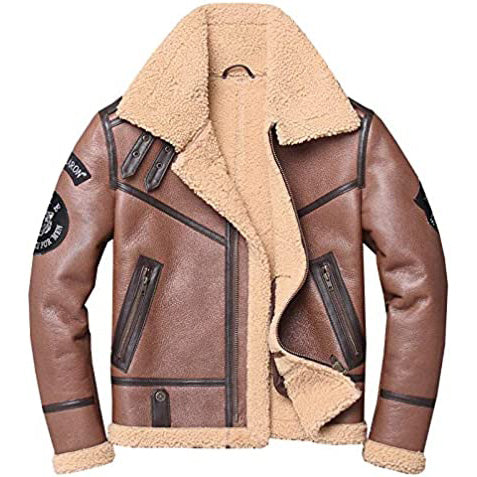
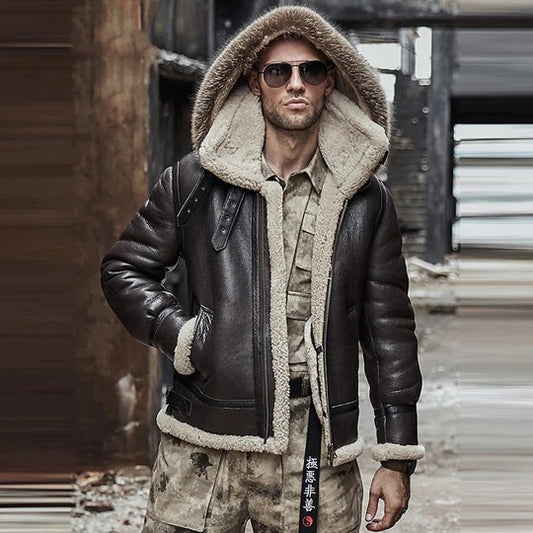
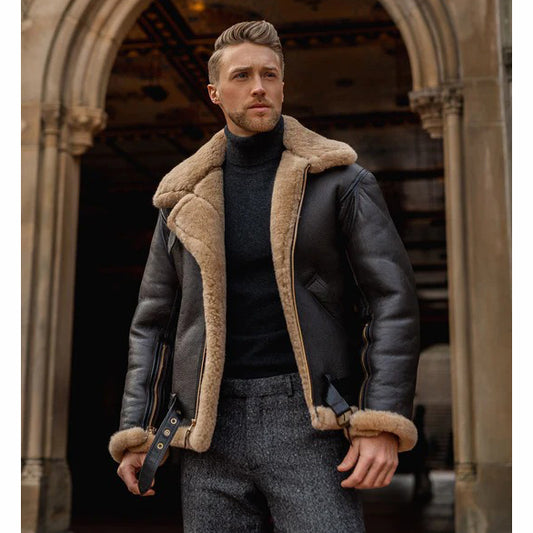
Shearling refers to the skin of a sheep or lamb that has been shorn once, then tanned and finished with the wool left intact. The result is a single piece of material with suede or leather on the outer side and dense, curly wool on the inner side. Because the fleece is still attached to the hide, shearling is classified as a fur and leather product rather than a woven textile.
This construction is what makes shearling genuinely warm rather than just soft looking. The hide blocks wind, the wool traps body heat, and the two layers work together the way they did when they were still on the animal. That is also why shearling has been used in outerwear for so long, from aviator jackets built for unheated cockpits to the biker and bomber styles that carried the look into everyday fashion.
How Shearling Feels and Wears
Genuine shearling has a slightly irregular, organic texture. The wool side is dense and springy rather than perfectly uniform, and the leather side has the same natural grain and softness you would expect from any quality hide. A well-made shearling jacket molds to your body over time and tends to get more comfortable, not less, as it breaks in.
What Is Sherpa?
Sherpa is a knit or woven fabric, typically made from polyester, acrylic, or a cotton blend, engineered to mimic the plush texture of natural sheepskin. The name comes from the wool garments traditionally worn by the Sherpa people of Nepal, not from any connection to real sheep hide. There is no leather backing and no genuine wool involved. It is fully synthetic from the backing fabric to the pile.
Because sherpa is manufactured rather than tanned from an animal hide, it can be produced in large, consistent quantities at a lower cost. That is why you will find it lining hoodies, casual jackets, slippers, and budget-friendly coats far more often than you will find real shearling in those same categories.
How Sherpa Feels and Wears
Sherpa has a more uniform, machine-made texture. The pile is even across the entire surface, and the backing fabric is a woven or knit textile rather than skin. It feels soft and cozy right out of the package, but it does not have the natural density or the leather backing that gives shearling its structure and long-term warmth.
Shearling vs Sherpa: Key Differences at a Glance
| Feature | Shearling | Sherpa |
|---|---|---|
| Material origin | Genuine sheep or lamb hide with wool attached | Synthetic fabric, usually polyester or acrylic |
| Backing | Real leather or suede | Woven or knit textile |
| Warmth | High, with natural insulation and wind resistance | Moderate, good for indoor or mild outdoor use |
| Breathability | Naturally breathable and moisture wicking | Traps heat but does not breathe as well |
| Durability | Can last decades with proper care | Typically shows wear faster, especially the pile |
| Care | Requires leather-specific cleaning and conditioning | Often machine washable |
| Price | Higher, reflecting the raw material and tanning process | Lower, a budget friendly alternative |
| Best suited for | Cold climates, long-term investment pieces | Mild weather, casual everyday wear |
Warmth and Insulation Compared
Shearling wins on raw warmth. The combination of a leather hide and dense natural wool creates a barrier that blocks cold air while trapping body heat close to the skin. Genuine shearling also has natural moisture wicking properties, which means it can help pull dampness away from your body instead of leaving you feeling clammy underneath the jacket.
Sherpa is warm enough for layering, running errands, or mild winter days, but it does not perform the same way in genuinely cold or wet conditions. The synthetic pile insulates reasonably well on its own, but without a hide backing it cannot block wind the way shearling does, and it tends to lose loft faster after repeated wear and washing.
Durability and Lifespan
A well-maintained shearling jacket is a long-term piece. The leather backing is tough, the wool is naturally resilient, and with occasional conditioning, a shearling jacket can stay in good shape for many years, often improving in character as the leather softens. This is part of why shearling jackets are frequently described as an investment rather than a seasonal purchase.
Sherpa fabric is more prone to matting, pilling, and flattening over time, particularly in high friction areas like cuffs, collars, and pockets. It is not a fragile material, but it is built for a shorter lifespan and a lower price point, which makes sense for casual jackets you plan to replace every few seasons rather than wear for a decade.
Comfort, Feel, and Breathability
Because shearling is a natural material, it breathes in a way synthetic fabrics generally cannot. This helps regulate temperature, so you are less likely to overheat indoors while still staying warm outside. The leather side also becomes more supple with wear, which is part of why broken in shearling jackets are so highly regarded.
Sherpa feels immediately soft and cozy, which is exactly why it works so well for hoodie linings, loungewear, and casual jackets. It does not breathe as effectively, so it can feel warmer indoors or during activity, but for short outings and mild temperatures that is rarely a problem.
Cost Differences
Genuine shearling costs significantly more than sherpa, and the price difference is not arbitrary. Real sheepskin has to be sourced, tanned, and finished, which is a slower and more specialized process than manufacturing synthetic fleece on a large scale. That higher price reflects the raw material itself, the labor involved, and the expected lifespan of the finished jacket.
Sherpa's lower cost makes it accessible for casual pieces, kids' jackets, linings, and accessories where the goal is comfort and style rather than long-term durability. If you are shopping on a tighter budget or want a trend-driven piece you will not wear for more than a season or two, sherpa is a practical choice.
Care and Maintenance
Shearling needs to be treated more like leather than like a regular jacket. That means avoiding machine washing, using a leather conditioner on the hide side periodically, keeping it away from prolonged direct heat, and having it professionally cleaned when needed rather than tossing it in a washing machine.
Sherpa is far more forgiving. Many sherpa lined jackets can be machine washed on a gentle cycle and air dried, which makes it a low maintenance option for everyday wear, pets, kids, or anyone who wants a warm layer without special care requirements.
Ethical and Sourcing Considerations
Because shearling is an animal product, some shoppers weigh ethical sourcing when choosing between real and synthetic options. If this matters to you, look for brands that are transparent about where their sheepskin comes from and how it is processed, since shearling is typically a byproduct of the wool and meat industry rather than an animal raised solely for its hide.
Sherpa avoids this question entirely since it is fully synthetic, which is one reason it appeals to shoppers who prefer to avoid animal materials altogether, even though it comes with its own environmental tradeoffs related to synthetic fiber production. Polyester and acrylic fibers are petroleum based and do not biodegrade the way natural materials do, so the choice between shearling and sherpa often comes down to which set of tradeoffs matters more to you personally, whether that is animal sourcing or synthetic fiber production.
There is no universally "correct" answer here. Some shoppers prioritize natural materials and biodegradability, which favors shearling. Others prioritize avoiding animal products entirely, which favors sherpa. Understanding both sides simply helps you buy with intention rather than by accident.
Which Is Better for a Jacket: Shearling or Sherpa?
The honest answer depends on how and where you plan to wear it.
- Choose shearling if you live somewhere with genuinely cold winters, want a jacket that can last for years, and are comfortable investing more upfront for a natural material that improves with age.
- Choose sherpa if you want a budget friendly, low maintenance, casual layer for mild weather, everyday errands, or a trend piece you are not planning to keep for the long haul.
Many shoppers end up owning both. A genuine shearling jacket serves as a durable cold weather staple, while sherpa lined pieces cover casual, lower stakes situations where easy care matters more than long-term investment.
Expert Perspective: What to Consider Before You Buy
When comparing a shearling jacket to a sherpa lined alternative, look past the surface texture and check three things: what the hide or backing is actually made from, how the listing describes the fill (real wool versus polyester pile), and what the care instructions say. A genuine shearling jacket will call out leather care requirements, while a sherpa piece will usually list machine wash instructions. If a listing is vague about material composition, that is often a sign the jacket is not genuine shearling.
Where to Buy a Genuine Shearling Jacket
If you have decided real shearling is the right fit for your climate and your wardrobe, buying from a source that specializes in leather and shearling outerwear makes the search easier. Jackets Kingdom carries shearling and shearling-lined leather jackets built with genuine sheepskin, so you are not left guessing whether a "shearling style" jacket is the real thing or a sherpa imitation dressed up in similar language.
When shopping for shearling anywhere, check the product description for the words "genuine shearling," "real sheepskin," or "lambskin with wool," and be cautious of vague terms like "faux shearling" or "sherpa lined" if you specifically want the authentic material. A reputable retailer should be upfront about which one you are getting.
Common Mistakes When Shopping for Shearling or Sherpa
Confusion between these two materials usually comes down to marketing language rather than the actual product. Retailers sometimes use "shearling style" or "shearling look" to describe a sherpa lined jacket, which is technically accurate but easy to misread if you are skimming a product title. Here are a few things worth checking before you buy.
- Read the full material description, not just the title. A jacket titled "shearling bomber" can still be lined with synthetic sherpa. The material breakdown, usually listed under specifications, will tell you what the lining is actually made from.
- Check the price against the category. Genuine shearling jackets are rarely priced like fast fashion outerwear. If a "real shearling" jacket is priced dramatically lower than comparable pieces, that is worth a second look.
- Look at the care instructions. Machine washable care instructions are a strong signal that a jacket uses sherpa or another synthetic fill rather than genuine sheepskin.
- Ask about the backing material. Genuine shearling always has a leather or suede backing. If a listing only describes the wool side and stays vague about what is on the other side, that is a reasonable question to ask before buying.
None of this means sherpa is a lesser choice. It simply means you want to know which material you are actually purchasing, so the jacket matches what you need it for, whether that is a long-term cold weather investment or a casual layer for milder days.
Frequently Asked Questions
Yes, sherpa and faux shearling generally refer to the same type of synthetic fabric. Both terms describe fleece made from polyester, acrylic, or cotton blends designed to look and feel like genuine sheepskin without using any real wool or hide.
Sometimes, but not always. Genuine shearling tends to have a slightly irregular, natural texture and a suede or leather backing, while sherpa has a more uniform pile and a woven or knit backing. Checking the material description is more reliable than judging by appearance alone.
Yes. Genuine shearling, like most quality leather, tends to soften and develop character over time with proper conditioning and care, which is part of why it is often treated as a long-term investment piece rather than a seasonal item.
Sherpa provides solid warmth for mild winter conditions, layering, and short periods outdoors, but it does not offer the same wind resistance or insulation as genuine shearling in truly cold or harsh weather.
Sherpa is easier to maintain since many sherpa lined pieces are machine washable. Shearling requires leather-specific care, including conditioning and avoiding machine washing, to keep the hide from drying out or cracking.
In almost all cases, yes. Genuine shearling costs more because it involves sourcing and tanning real sheepskin, while sherpa is a mass-produced synthetic fabric that costs less to manufacture.
The Bottom Line
Shearling and sherpa can look alike from a distance, but they are not interchangeable. Shearling is real sheepskin with the wool left on, offering superior warmth, breathability, and long-term durability at a higher price. Sherpa is a synthetic fleece designed to imitate that look for a fraction of the cost, trading some warmth and lifespan for affordability and easy care.
If you want a jacket that will genuinely hold up against cold weather and last for years, shearling is worth the investment. If you want a soft, casual layer for mild conditions and simple upkeep, sherpa gets the job done without the higher price tag.
Ready to feel the difference for yourself? Browse genuine shearling and shearling-lined leather jackets at Jackets Kingdom, built with real sheepskin rather than synthetic imitations. New customers can save $25 off their order with code JK25, on top of free worldwide shipping and 30-day returns, so you can try a real shearling jacket with confidence.