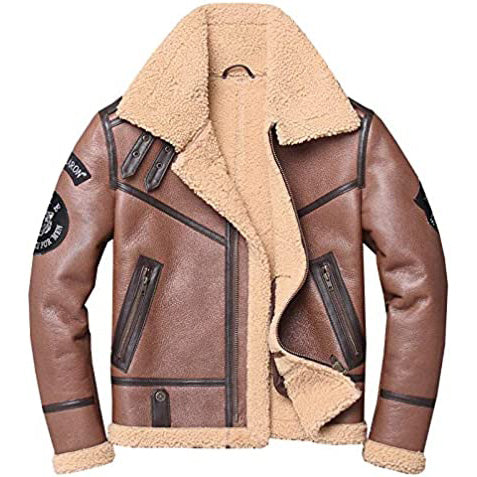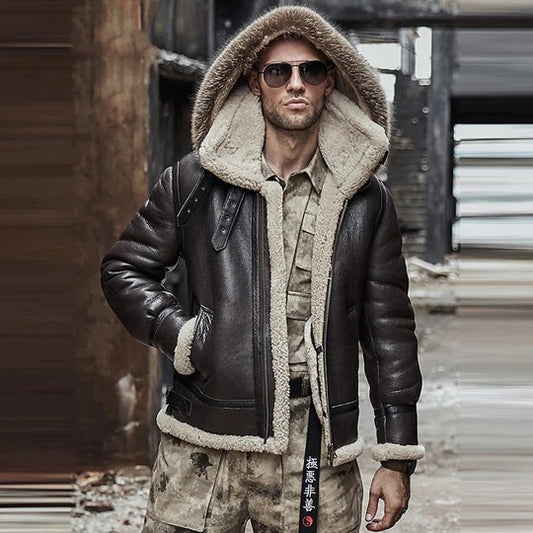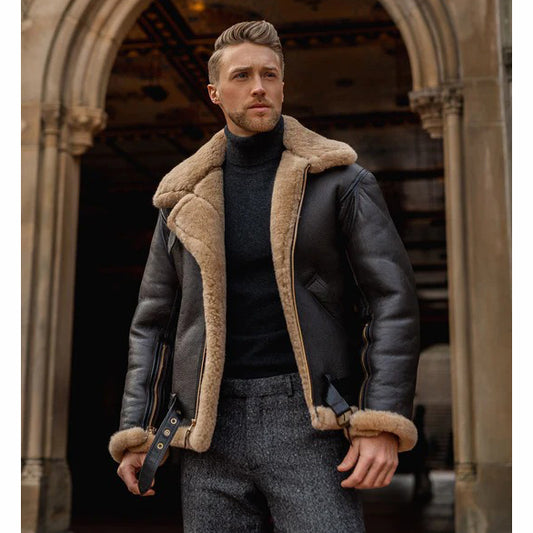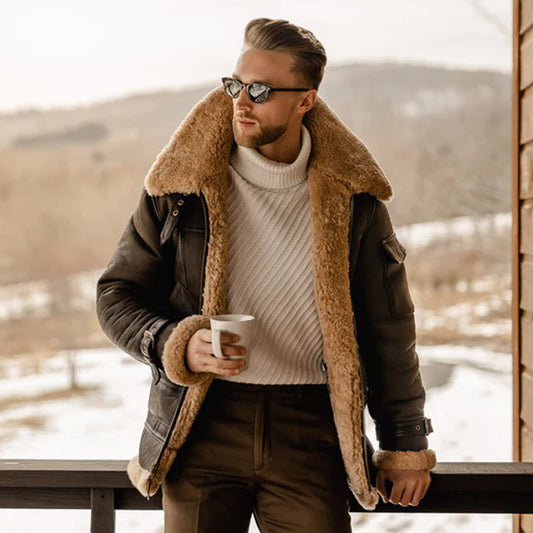

The best Kawasaki leather jacket for riders is one that blends genuine cowhide or buffalo leather with abrasion resistant panels, CE rated armor pockets and a fit that lets you lean into a turn without the jacket riding up your back. That is the short answer. If you ride a Ninja, a Z900 or a Vulcan cruiser, your jacket needs to work as hard as your bike does, and not every jacket on the market actually does that.
Kawasaki has spent decades building a reputation on the track and the street, and riders who wear the brand's green and black colors expect their gear to carry the same intensity. A leather jacket is not just a fashion statement for this crowd. It is a second skin that has to survive wind, rain, road heat and the occasional slide. This guide breaks down everything a rider actually needs to know before buying one, from materials and armor to sizing, seasonal choices and where to find a jacket worth the money.
Why Kawasaki Riders Choose Leather Over Textile
Leather remains the gold standard for serious motorcyclists because of its natural abrasion resistance. A quality full grain leather jacket can outperform most textile alternatives in a low side slide, since the fibers of the hide resist tearing far longer than synthetic weaves. Riders who log real miles on Kawasaki sport bikes and cruisers tend to prize leather for three practical reasons.
- It holds its shape and protective qualities for years with proper care
- It blocks wind chill better than most mesh or textile jackets
- It ages into a personalized, broken in fit that textile rarely achieves
Textile jackets have their place for commuting or wet climates, but when the goal is genuine crash protection paired with a classic biker look, leather still wins for most Kawasaki owners.
There is also a psychological factor riders rarely talk about openly. A well fitted kawasaki Ninja H2R Leather Jacket changes how a rider carries themselves before they even start the bike. It signals experience and seriousness about the sport, which matters at group rides, track days and even casual meetups at a local coffee stop. That confidence is not vanity. Riders who feel properly geared up tend to make more deliberate decisions on the road, since the gear reinforces the mindset that riding is a skill worth respecting.
The History Behind Kawasaki Racing Style Leather Jackets
Kawasaki's motorsport program has always leaned into an aggressive, race bred image, and that identity carried over into rider apparel long before "moto fashion" became a retail category. The brand's lime green livery, first popularized through its factory racing teams, became instantly recognizable on tracks worldwide. Leather motorcycle jackets styled after team gear picked up that same visual language: bold color blocking, sponsor style patches and a cut built for a forward riding position rather than a relaxed street stance.
This heritage matters for buyers today because a jacket that echoes genuine racing design tends to fit better on a sport bike. The sleeves are pre curved, the back panel is longer to cover the lower spine when leaned forward, and the collar sits snug enough to avoid flapping at highway speed.
Main Types of Kawasaki Style Leather Jackets
Not every rider needs the same cut. The type of Kawasaki you own, and how you ride it, should guide which style you pick.
Cafe racer jackets feature a slim silhouette, minimal bulk and a stand up collar, ideal for Z series naked bikes and retro builds.
Sport touring jackets add stretch panels at the shoulders and back along with a slightly longer torso, suited for Ninja riders covering long distance highway miles.
Cruiser style jackets are roomier through the chest and arms, built for the more upright seating position on a Vulcan, and often feature classic collar and zipper detailing.
Bomber and casual biker jackets work well for riders who want a jacket that transitions easily from the garage to everyday wear.
Choosing the right category first narrows the field considerably before you even start comparing brands. It also saves time browsing, since a rider who knows they need a sport touring cut can skip past dozens of cruiser style listings that would never suit their riding position in the first place.
Leather Grades and Materials That Actually Matter
Not all leather is created equal, and this is where a lot of buyers get misled by vague marketing language. Full grain cowhide is the most durable and widely used option for serious riding jackets, prized for its density and natural fiber structure. Buffalo hide is thicker still and offers excellent abrasion resistance, though it can feel stiffer until broken in. Lambskin is soft and lightweight, a favorite for fashion forward biker jackets, but it offers less raw protection than cowhide or buffalo.
A quick breakdown helps clarify the trade offs between the three most common hide types.
- Full grain cowhide: High protection, moderate comfort, best suited for daily riders and sport bike owners
- Buffalo hide: Very high protection, firm until broken in, best suited for long distance touring
- Lambskin: Moderate protection, very soft feel, best suited for casual wear and short rides
Thickness matters too. Riding jackets typically range from 1.0 to 1.4 millimeters, with anything thinner sacrificing crash protection for style.
Kawasaki Green and Black: Reading the Color Codes
The brand's signature lime green paired with deep black is more than a color scheme. It signals racing pedigree at a glance. Jackets that use this palette thoughtfully, rather than slapping a logo on a kawasaki ninja plain black leather jacket, tend to include contrast stitching, subtle piping and patch placement that mirrors factory team livery. For riders who want their gear to visually match their bike, getting this detail right makes a real difference in how put together the whole setup looks.
Armor, Padding and Real Protection Features
A great looking jacket without proper armor is a costume, not riding gear. Look for CE certified armor at the shoulders and elbows as a non negotiable minimum. A back protector pocket, even if the foam pad needs to be purchased separately, is a strong sign the jacket was designed with actual crash scenarios in mind.
Key protection features to check before buying include:
- CE Level 1 or Level 2 armor at shoulders and elbows
- A back protector pocket, ideally with a pad included
- Reinforced or double stitched seams at high stress points
- Abrasion resistant panels at the shoulders and forearms
Riders sometimes assume any thick leather jacket offers protection. Thickness alone does not equal safety without properly placed armor. A thin jacket with well positioned certified armor can outperform a thick jacket that leaves the elbows and shoulders bare, since impact and slide damage almost always concentrate at those exact points during a fall.
Comfort and Fit for Long Rides
Comfort is where many otherwise good jackets fail. A jacket that looks sharp standing in a mirror can become miserable after two hours in a riding position. Look for pre curved sleeves that already bend at the elbow, since straight sleeves bunch up when your arms are gripping handlebars. Stretch gussets under the arms and at the back allow a fuller range of motion without straining seams.
Breathability also matters more than most riders expect from leather. Perforated panels or zippered vents at the chest and back let air move through on warmer rides, which is especially useful for Kawasaki owners in warmer states who ride through most of the year.
Weight distribution is another comfort factor that gets overlooked. A jacket that feels light in a store can feel heavy after an hour on the highway if the weight is not balanced evenly across the shoulders. Quality construction spreads the load of any armor and lining so the jacket does not pull down on one side, which otherwise leads to shoulder fatigue on longer rides.
Best Styles for Men
Men's Kawasaki inspired leather jackets generally fall into a few dependable categories. The classic racer jacket with a stand collar and diagonal zipper remains the most popular choice for sport bike owners. Bomber style jackets with a ribbed waist and cuffs suit riders who want something versatile enough for off bike wear. For cruiser owners, a longer cut jacket with a straight hem and chest pockets tends to pair best with the riding posture.
Bold tip: a slim but not tight fit through the torso, paired with roomy shoulders for armor, is the combination most men's reviewers consistently recommend.
Best Styles for Women
Women riders have more options today than in past years, with jackets cut specifically through the waist and hips rather than simply shrunk down from men's patterns. A properly tailored women's cut avoids the common problem of excess fabric bunching at the waist while still leaving room for armor at the shoulders and elbows. Cropped cafe racer styles work well for shorter riders on naked bikes, while longer touring cuts suit anyone spending serious hours on the highway.
Custom and Made to Order Jackets
Off the rack sizing does not fit every body type, and this is where made to order leather jackets earn their price tag. A custom order lets a rider select hide type, color combination, lining material and an exact size built to their own measurements rather than a generic chart. This matters most for taller or broader riders who often struggle to find enough room through the shoulders without the torso running too long.
Custom orders also open the door to personal touches that off the rack jackets rarely allow, such as a specific green tone matched to a particular Kawasaki model year or a name and number stitched into the lining. For riders who plan to keep a jacket for years, spending a little extra time on a custom fit usually pays off in comfort and longevity far beyond what a standard size ever delivers.
How to Choose the Right Size
Getting sizing right on a leather riding jacket is different from ordering a regular coat. Because leather does not stretch the way fabric does initially, a snug fit at purchase is correct, not a mistake. Riders should measure chest, shoulder width and arm length while sitting in a riding position if possible, since the jacket needs room to accommodate a forward lean.
A quick sizing checklist:
- Measure chest at its fullest point while wearing a light shirt
- Check sleeve length with arms slightly bent, not fully extended
- Confirm shoulder seams sit at the edge of the shoulder, not past it
- Allow enough room underneath for a base layer in cooler weather
Seasonal Considerations for Kawasaki Riders
Leather performs differently across seasons, and smart riders adjust their jacket choice accordingly. In colder months, a jacket with a removable thermal liner adds warmth without needing a separate winter coat. In warmer climates, perforated leather or jackets with zippered vents prevent overheating on stop and go rides. Riders who switch bikes seasonally, moving between a Ninja for summer canyon runs and a Vulcan for cooler cruising, often keep two jackets suited to each condition rather than compromising with one.
Caring for Your Leather Jacket
Proper maintenance extends the life of a quality leather jacket by years. Conditioning leather every few months prevents cracking and keeps the hide supple enough to move naturally with the rider. Storing the jacket on a padded hanger, away from direct sunlight, prevents fading of the brand's signature color detailing. Light surface dirt should be wiped with a damp cloth rather than harsh detergents, which strip natural oils from the hide.
Price Range and What You Are Really Paying For
Prices for genuine leather Kawasaki style riding jackets typically range from budget options under two hundred dollars to premium custom builds well above four hundred. The difference usually comes down to hide quality, armor certification and stitching density. A cheaper jacket made from lower grade split leather may look similar in photos but will not hold up the same way in a real fall. Paying more for full grain leather and certified armor is an investment in actual protection, not just branding.
Expert Opinion
Motorcycle gear specialists consistently point to three factors that separate a genuinely protective leather jacket from one that only looks the part: leather grade, armor certification and stitch density at stress points. Industry testing from organizations like the Motorcycle Industry Council has long emphasized that abrasion resistance depends far more on leather thickness and weave than on brand name alone. Riders should treat armor certification labels the same way they treat a helmet's safety rating, since both are backed by independent testing rather than marketing claims. A jacket that checks every box on materials and protection, and still fits the way a rider actually sits on their bike, is the real definition of quality gear.
Where to Buy the Best Kawasaki Leather Jackets
Jackets Kingdom stands out as a trusted source for riders searching for authentic Kawasaki inspired leather jackets built for real use, not just display. The brand offers a wide range of cuts, from cafe racer to cruiser styles, using full grain cowhide and buffalo leather with CE rated armor options built in. Riders who need a custom fit can order made to order jackets with a choice of color, lining and exact measurements rather than settling for a generic size.
Every order from Jackets Kingdom includes free worldwide shipping and a thirty day hassle free return guarantee, so riders can try a jacket on and confirm the fit before committing. This kind of buyer protection matters especially for leather, where fit issues are common with online orders.
Frequently Asked Questions
What is the best leather for a Kawasaki motorcycle jacket?
Full grain cowhide is generally the best choice for most riders, offering a strong balance of abrasion resistance, durability and comfort. Buffalo hide offers even higher protection for riders who want maximum durability, while lambskin suits those prioritizing softness over raw protection.
Do Kawasaki leather jackets come with armor already installed?
Many do include CE certified armor at the shoulders and elbows, though back protectors are sometimes sold separately as an insert. Always check the product details before assuming full protection is included.
How should a leather motorcycle jacket fit?
It should fit snug through the torso with enough room in the shoulders for armor and a base layer, since leather does not stretch significantly with wear the way fabric does.
Can I get a custom made Kawasaki style leather jacket?
Yes. Made to order options allow riders to choose hide type, color, lining and exact measurements, which solves fit problems common with standard sizing charts.
How often should I condition a leather riding jacket?
Most experts recommend conditioning every three to four months, or more often in dry climates, to prevent cracking and keep the leather flexible for riding movement.
Is leather still better than textile for motorcycle jackets?
For crash protection and abrasion resistance, leather generally outperforms textile, though textile can offer better weather protection and breathability for certain climates.
Final Thoughts
Choosing the best Kawasaki leather jacket comes down to matching real protection features, the right leather grade and a fit built for actual riding position, not just how a jacket looks hanging in a store. Riders who take the time to check armor certification, seam quality and sizing details end up with gear that performs when it matters most.
Ready to gear up properly? Use code JK25 at checkout for $25 off your next Kawasaki style leather jacket from Jackets Kingdom, backed by free worldwide shipping and a thirty day hassle free return guarantee.